Are Coloured Contact Lenses Safe? What You Need to Know in 2026
--------------------------------------------------------------------------------
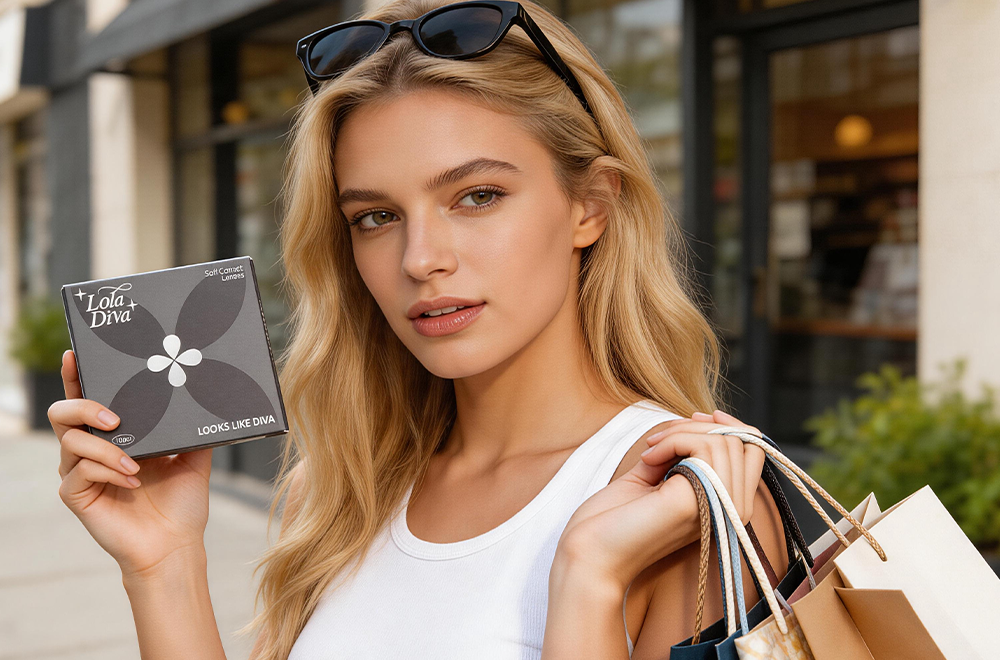
The Short Answer : Yes — colored contact lenses are safe. But that answer comes with context. Almost every problem people run into traces back to one of three things: buying unregulated lenses, skipping basic lens hygiene, or wearing them longer than the recommended wear schedule.
Get those three things right, and you can enjoy the colour change without a second thought. This guide shows you exactly what that looks like in practice — especially if you're shopping for plano lenses, prescription colored contacts, or wondering about eye health with cosmetic colored contacts.
--------------------------------------------------------------------------------
What Makes a Coloured Contact Lens Safe or Unsafe
Colored contact lenses are classified as a medical device in most countries — and that classification exists for good reason. The materials, oxygen permeability, and manufacturing standards all fall under regulatory oversight because a lens sitting directly on your cornea needs to meet a real standard of corneal safety, not just look pretty.
Your cornea needs oxygen. A lens that blocks that flow — even a stunning one — can cause corneal swelling, trigger blood vessel growth into the eye, and raise your infection risk over time. This is why FDA approved colored contact lenses matter so much.
Regulated vs. Unregulated Lenses
In the US, the FDA requires a valid prescription requirement for all contact lenses, including purely cosmetic colored contacts. No vision correction needed — the prescription is about confirming the lens fits your eye correctly. The EU, UK, and most of Southeast Asia follow similar rules.
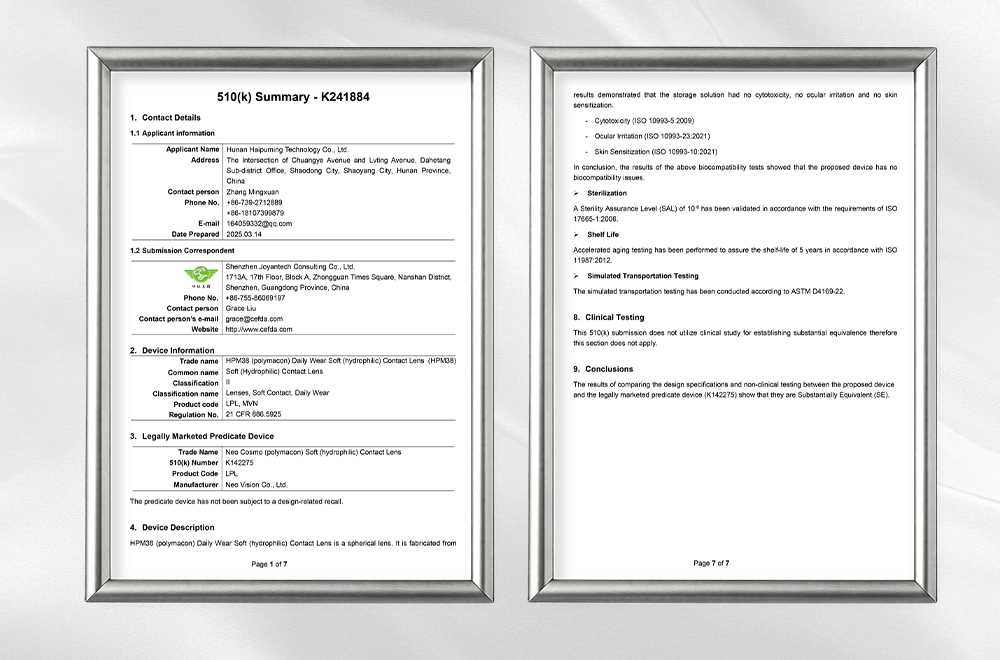
The core guarantee of regulated lenses lies in international quality system certifications. Legitimate brands must pass FDA (U.S. Food and Drug Administration), CE (Conformité Européenne), and ISO (International Organization for Standardization) certifications. These certifications mean every step of the process — material safety, production techniques, oxygen permeability, pigment encapsulation technology — has undergone rigorous testing and auditing. FDA approved colored contact lenses ensure products meet U.S. medical device standards, the CE mark indicates compliance with EU health, safety, and environmental requirements, and ISO certification covers quality management systems and product consistency. Together, these three form a safety endorsement consumers can trust.
Reputable retailers sell lenses that meet these standards. The materials are tested, manufacturing is controlled, and the products are designed to sit safely on your eye for exactly as long as the packaging says.
Unregulated lenses — the kind sold at beauty counters, Halloween pop-ups, or through sketchy online sellers — skip all of that. They typically carry no FDA, CE, or ISO certifications whatsoever. The pigments may not be properly sealed, which means colour particles can leach directly onto your cornea. The materials may not breathe. And because no prescription or measurement was involved, the fit is a complete unknown. This is exactly why people ask: "are plano lenses safe?" The answer depends entirely on whether they come from a reputable retailer with proper certification.
The Risks of Buying from the Wrong Source
The most common complications from unsafe colored contact lenses include:
- Corneal abrasions from lenses that don't fit properly
- Bacterial or fungal infections from non-sterile packaging or substandard materials
- Allergic reactions to unsealed dyes or low-grade polymers
- Hypoxia (oxygen deprivation) from lenses with poor breathability
- Corneal ulcers in serious cases, which can cause lasting vision damage
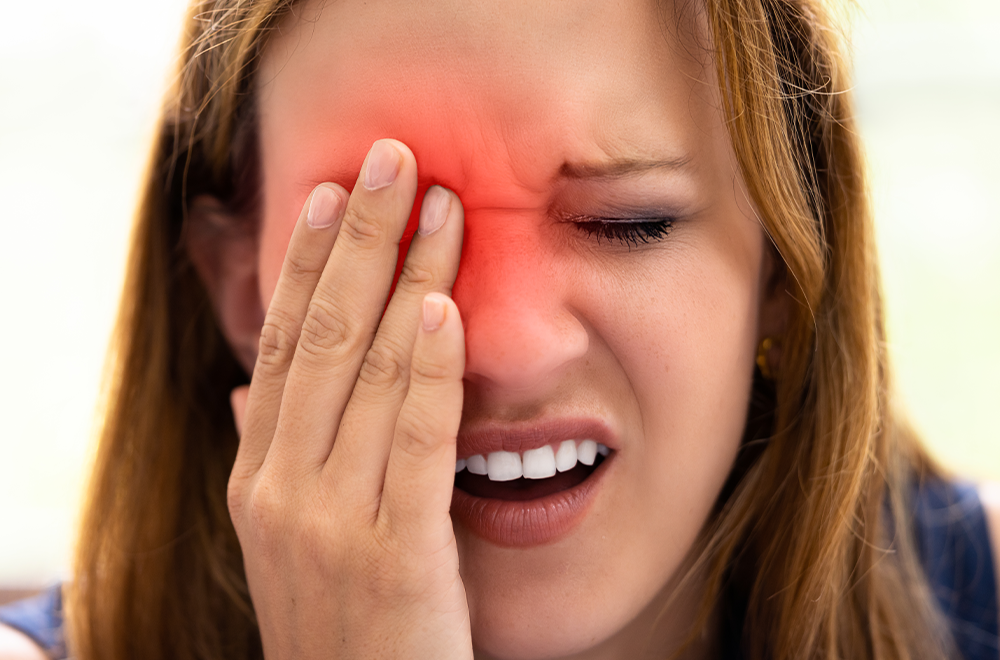
If you're wondering "do colored contact lenses damage your eyes?" — the honest answer is: only if you buy unregulated ones or ignore basic care. None of this is inevitable. It's almost entirely preventable — by choosing FDA approved colored contact lenses and wearing them the right way.
--------------------------------------------------------------------------------
How to Wear Colored Contacts Safely
Even the best lenses can cause problems if you ignore the basics. Safe wear isn't complicated. It's just consistent.
Hygiene Habits That Matter
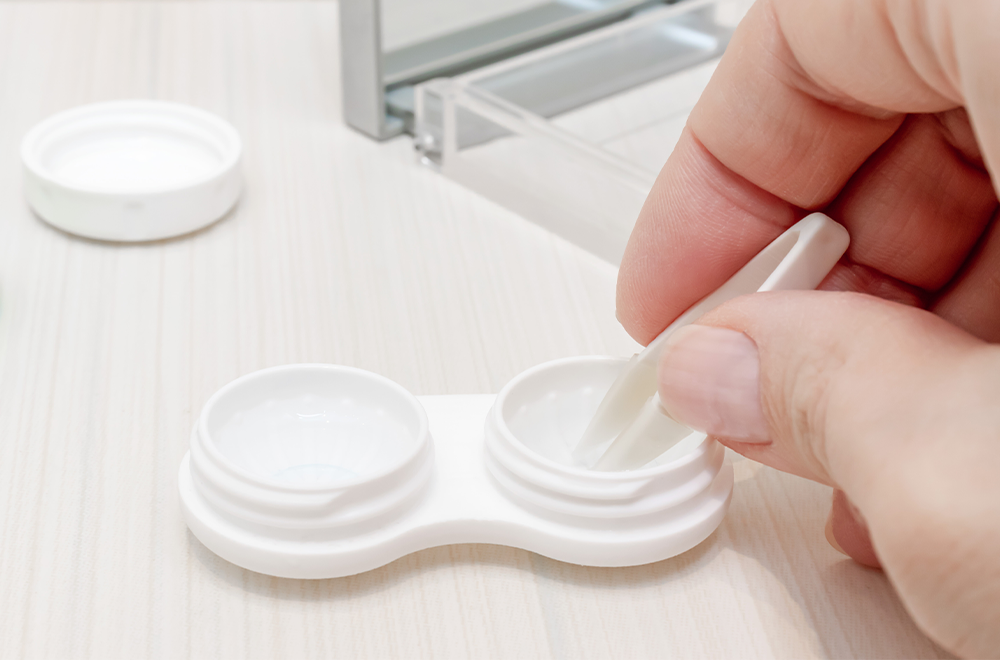
Wash your hands before touching your lenses. Every single time. Bacteria from your fingertips are the most common cause of contact lens-related eye infection — and it's the easiest thing to prevent.
A few other habits worth keeping:
- Only use sterile contact lens solution — never tap water
- Replace your lens case every one to three months
- Don't sleep in lenses unless they're specifically approved for overnight wear
- Never share lenses with anyone, even just for a quick try-on
Wear Time: How Long Is Too Long?
Most cosmetic colored contact lenses are approved for 8 to 12 hours of daily wear. Your eyes need time without lenses to breathe and recover, and regularly pushing past that window is where irritation and infections start creeping in.
If your eyes feel dry, look red, or start to sting — take the lenses out. Those are signals worth listening to, not inconveniences to push through.
--------------------------------------------------------------------------------
Choosing the Right Hydrogel Contact Lenses for Your Eye
Fit matters just as much as quality. A lens that's too large or too small will shift around, feel uncomfortable, and can scratch your cornea over time. Here's a parameter reference guide for the European and American markets (Non-ionic Hydrogel /Hydrogel material compatible):
|
Parameter
|
Common Reference Values
|
Description (Marketing-Optimised · Emphasising Value & Comfort)
|
|
Base Curve (BC)
|
8.3 ~ 8.6 mm (most trials start at 8.4 mm)
|
Determines the curvature of the lens inner surface and
corneal
fit, ensuring the lens stays stable without sliding.
|
|
Diameter (DIA)
|
14.0 ~ 14.2 mm
|
The overall width from edge to edge, naturally enhancing the eye contour.
|
|
Material
|
Non-ionic
Hydrogel
|
The ideal balance of softness and anti-deposit properties.
Compared to traditional materials, proteins are less likely to adhere, keeping the
hydrogel contact lenses
moist for longer; while retaining the
soft touch
unique to hydrogel for comfortable wear.
|
|
Oxygen Permeability (Dk/t)
|
Meets international safety standards (Standard)
|
Meets oxygen supply needs for short to medium daily wear (commuting, dating, office work),
safe and compliant
, the reassuring choice for entry-level and budget-friendly consumers.
|
|
Water Content
|
38% ~ 42% (low to medium water content)
|
Low-water formulas excel at long-lasting moisture retention.
They don't absorb the eye's own tears like high-water lenses, especially suitable for
slightly dry environments
or wearers prone to dry eyes, maintaining hydration all day.
|
|
Power Conversion & Astigmatism
|
≥ -4.00D requires power conversion;
Astigmatism
≥0.75~1.00D → Toric lenses
|
Provides precise vision correction, meeting most daily visual needs.
|
|
Replacement Mode
|
Daily Disposable
(preferred)
|
The benchmark of hygiene and convenience.
No tedious cleaning, a fresh pair every day, eliminating protein deposit risk — the best solution for
high value and eye hygiene.
|
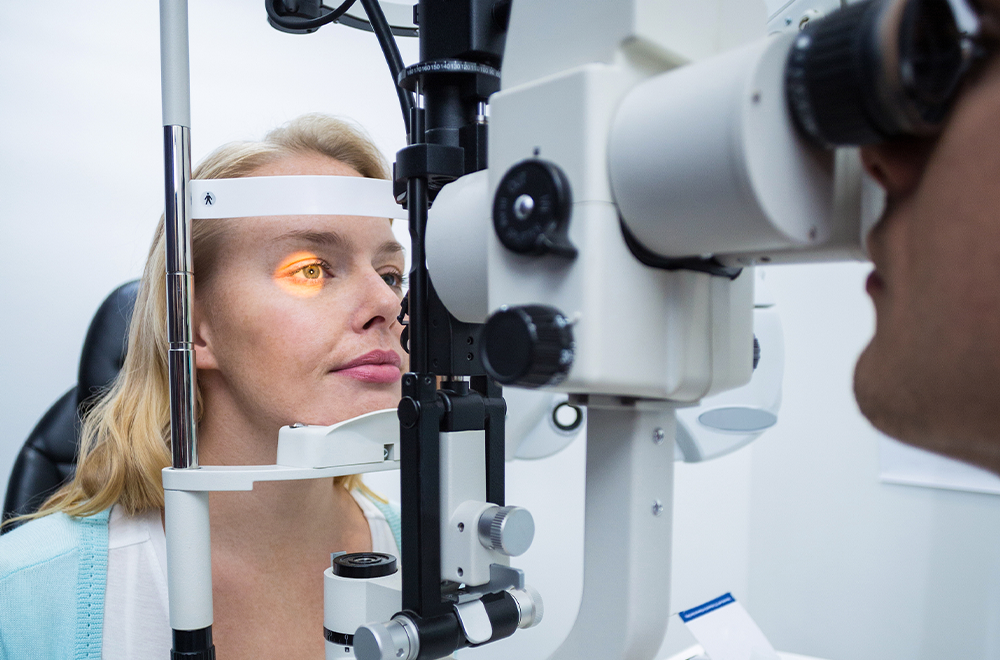
Note: The parameters provided above serve as a general reference guide for the European and American markets. However, every eye is unique. To ensure optimal eye health and wearing comfort, we strongly recommend visiting a licensed optometrist or ophthalmologist for a comprehensive eye examination before purchasing.
A professional fitting will accurately measure your Base Curve (BC), Diameter (DIA), and overall corneal health to determine the most suitable lens specifications for you. If you experience persistent redness, dryness, or blurred vision after wearing, please discontinue use immediately and consult an eye care professional.
--------------------------------------------------------------------------------
Red Flags to Watch For
Take your lenses out and see an eye care professional if you notice any of the following:
- Redness that doesn't clear up after removing the lens
- Blurred vision that wasn't there before
- Unusual discharge or crusting around the eye
- Pain or burning that doesn't ease quickly after removal
- Increased sensitivity to light
These symptoms can escalate fast. Catching them early makes treatment simple. Ignoring them doesn't.
--------------------------------------------------------------------------------
Finding Colored Contact Lenses You Can Trust
The safest place to buy colored contact lenses is from a reputable retailer that's upfront about what it sells — clear wear schedule guidance, proper lens diameter options, and a range built for real everyday use, not just dramatic looks with no thought given to comfort.
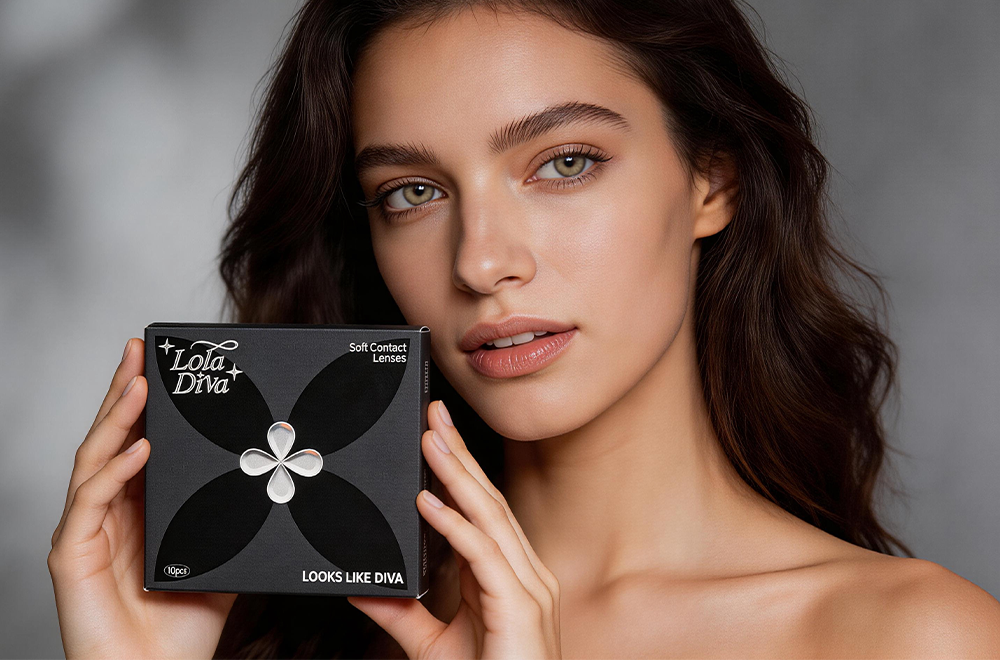
Lola Diva contact lenses have passed FDA, CE, and ISO international quality system certifications, with every step from raw material sourcing to final product dispatch undergoing strict quality control and safety testing. This means every single lens you wear meets international medical device safety standards — non-toxic materials, securely encapsulated pigments, and oxygen permeability that hits the mark. These three certifications provide a solid credibility endorsement for your eye health.
At Lola Diva, the collection runs from subtle
natural colored contacts to
bold statement colours, with daily disposable and 1-year wear options and three lens diameter choices (14.0mm, 14.2mm, and 14.5mm) so you can match the lens to both your eye and your occasion. The scene-based categories —
Work & Office,
Lazy Holiday,
Romantic Date,
Shining Party — make it easy to find exactly the vibe you're going for without scrolling through hundreds of options wondering where can you buy colored contacts or where to buy plano lenses.
Whether you want a soft hazel for the office or a vivid blue for a night out, knowing the lens is built for real wear matters just as much as how it looks on you. For those with darker irises, our colored contact lenses for dark eyes and best colored contacts for dark eyes selections offer opaque coverage that truly transforms your look.
--------------------------------------------------------------------------------
FAQs
Are colored contact lenses safe for everyday wear?
Yes — as long as you buy from a reputable retailer, stick to the recommended wear schedule, and keep up with basic lens hygiene. Lenses designed for daily or extended wear are made to be comfortable for regular use within their stated time limits.
Do I need a prescription for colored contacts if I have perfect vision?
In many countries, including the US, yes. All contact lenses — including purely cosmetic colored contacts and prescribed color contacts — legally require a valid prescription. It's not about vision correction; it's about making sure the lens diameter and base curve are right for your eye.
Can colored contacts damage your eyes permanently?
Unregulated or improperly worn lenses can cause serious damage, including corneal ulcers that affect long-term vision. Properly sourced FDA approved colored contact lenses from reputable retailers, worn correctly, carry a very low risk of permanent harm.
How long can you wear colored contacts in a day?
Most cosmetic colored contact lenses are designed for 8 to 12 hours of daily wear. Going beyond that regularly puts stress on your cornea and raises the chance of irritation or eye infection.
What's the difference between 14.0mm, 14.2mm, and 14.5mm lenses?
Lens diameter affects both fit and appearance. 14.0mm gives a natural look close to your actual iris size, 14.2mm is the standard everyday option, and 14.5mm creates a more dramatic wide-eyed effect. The right choice also depends on your base curve measurement.
Are daily disposable lenses safer than 1-year lenses?
Neither is inherently safer than the other.
Daily disposable lenses remove the risk of improper cleaning or case contamination since you use a fresh pair every time.
1-year lenses are equally safe when the cleaning routine is followed consistently and the replacement schedule is respected.
How do I know if a colored contact retailer is trustworthy?
Look for retailers that clearly state wear schedule durations, offer proper lens diameter options, and are transparent about their products. Avoid sellers with no product details, no wear guidance, or no information about the materials used. Always check for FDA approved colored contact lenses certification.
Are plano lenses safe?
Yes — if they come from a reputable retailer with proper FDA, CE, and ISO certifications. The "plano" label simply means zero diopter power; it doesn't mean the product bypasses safety standards. Always verify certifications before buying plano contact lenses.
Where can you buy colored contacts with prescription?
The best place to find prescription colored contacts is through certified online retailers like Lola Diva that offer both prescribed color contacts and plano lenses with full certification transparency. Always verify FDA, CE, and ISO compliance before purchasing.
--------------------------------------------------------------------------------
The Bottom Line
Colored contact lenses aren't inherently dangerous. The risks people associate with them almost always come down to unregulated products, poor lens hygiene, or ignoring wear schedule limits. Buy from a source that takes the product seriously — one that offers FDA approved colored contact lenses and prescription colored contacts — take care of your lenses, and your eyes will be just fine.
Ready to find your colour? Browse the full range at
LolaDiva store — from everyday natural colored contacts to bold statement looks, all with clear wear options so you can shop with confidence. Whether you're looking for colored contacts for dark eyes, exploring where can you buy colored contacts, or need prescribed color contacts with full prescription support, we've got your eye health covered.


