Contact lenses—especially colored ones—have become a fantastic tool for self-expression. They brighten our eyes in party photos, add flair to holiday costumes, and free us from the hassle of frames during daily activities. They truly bring wonderful experiences to our lives.
However, as magical as these tiny curved discs are, they are medical devices that rest directly on your cornea. While we all know the classic no-nos like swimming (bacterial infection risk) and BBQing (melting hazard), there are many other surprisingly common scenarios where wearing contacts can turn your eye into a danger zone.
Here are the hidden situations where you must prioritize eye health over convenience or looks.
I. Water Environments: Beyond Just Swimming
Most people know pools are off-limits, but what about that relaxing shower after a long day?
1. Showering and Bathing:
This is one of the most overlooked risks. Tap water is not sterile. It contains microorganisms, including the notorious
Acanthamoeba, which can get trapped behind your contact lens
. This parasite feeds on bacteria and can cause
Acanthamoeba keratitis, a severe, painful corneal infection that is notoriously difficult to treat and can lead to blindness
.

2. Hot Tubs and Spas:
The warm, stagnant water in hot tubs is a breeding ground for bacteria. High temperatures can also cause lenses to deform or dry out quickly
.
II. Dry, Dusty, or High-Speed Environments
Your eyes need moisture to keep lenses comfortable. Certain environments strip that moisture away aggressively.
1. Long-Distance Cycling or Motorcycling:
When you ride at high speeds, the rapid airflow causes the water content in your lenses to evaporate at an alarming rate
. The lens dries out, becomes hard, and can actually damage the epithelial layer of your cornea, causing pain, redness, and inflammation. Plus, dust and debris are much more likely to fly into your eyes
.

2. Airplane Travel:
Airplane cabins have extremely low humidity levels—often drier than most deserts. Wearing contacts in this environment can lead to severe dryness and discomfort. Furthermore, the change in atmospheric pressure can cause the cornea to swell slightly, and tiny air bubbles may form under the lens, leading to hypoxia (oxygen deprivation)
.
3. High Altitude or Windy Locations (e.g., Skiing without goggles):
While you mentioned skiing for physical impact, even without a fall, high altitudes mean stronger UV rays and dry, fast wind. This can rapidly dehydrate lenses and cause them to tighten on the eye.

III. During Illness and Hormonal Changes
When your body fights an infection or undergoes change, your eyes are more vulnerable.
1. Catching a Cold or Flu:
Never wear contacts when you are sick
. Your hands carry viruses and bacteria, which can easily transfer to your eyes during insertion or removal. Additionally, many cold medications contain antihistamines or decongestants that
reduce tear production. Less tears mean dry lenses that stick to the eye and increase infection risk.

2. Menstruation and Pregnancy:
Hormonal fluctuations matter. During menstruation, women can experience higher intraocular pressure and fluid retention, making lens wear uncomfortable
. During pregnancy, hormonal shifts can cause the cornea to thicken and change shape slightly. Wearing contacts during this time can increase corneal hypoxia and sensitivity, leading to potential damage
.
IV. During Specific Daily Activities
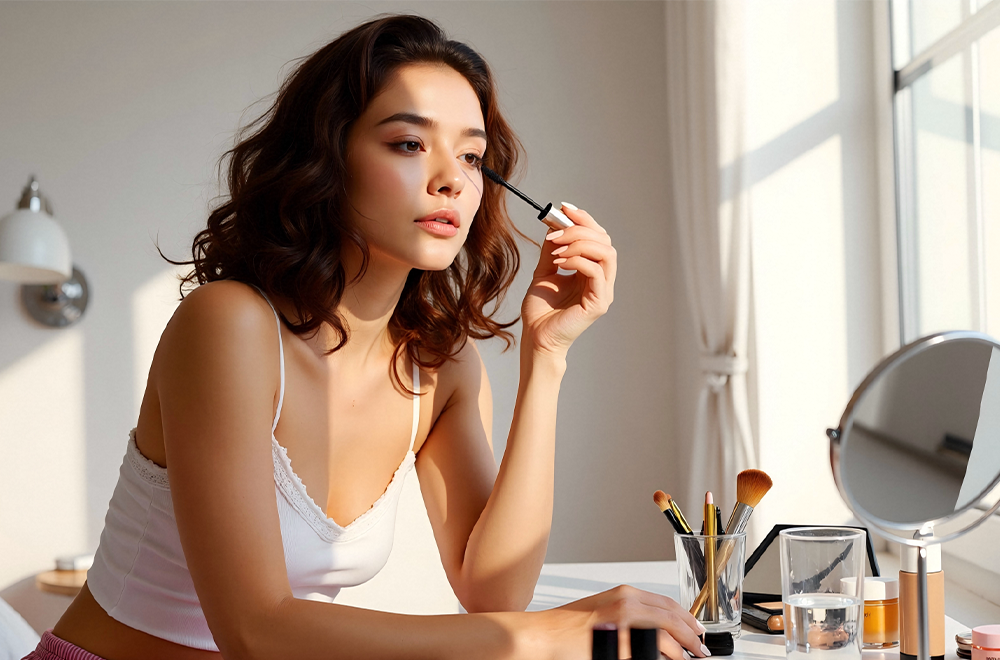
1. Applying or Removing Makeup:
This is a hygiene ritual. Always put your
lenses in before applying makeup and take them
out before removing makeup. This prevents creams, oils, and mascara flakes from getting trapped under the lens, which can cause irritation and giant papillary conjunctivitis.
2. Long Hours in Air-Conditioned Rooms or Using Computers:
While this is a chronic issue, it's worth noting. We blink less when staring at screens. In a dry, air-conditioned office, this lack of blinking, combined with the lens material absorbing tears, leads to severe dryness and "computer vision syndrome"
.
V. Allergies and Irritation
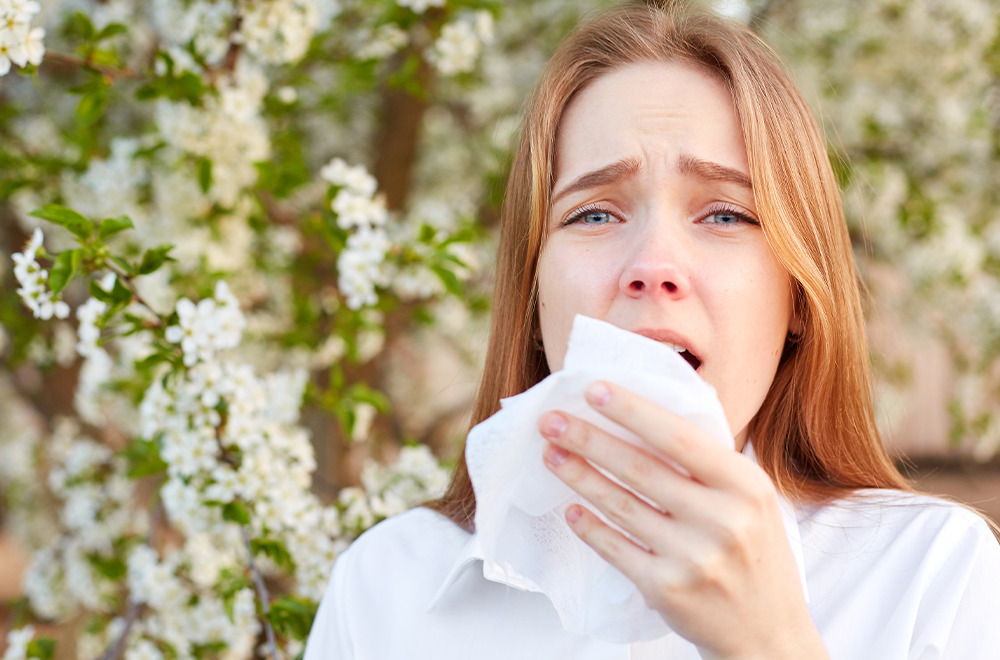
1. High Pollen Seasons (Spring/Fall):
If you have seasonal allergies, pollen particles floating in the air can easily stick to the surface of your contact lenses
. This turns your lens into a concentrated patch of allergen, causing intense itching, redness, and watering.
2. Dusty Environments (Cleaning or Renovation):
Whether you are doing spring cleaning or helping with home renovations, dust and chemical particles in the air can get lodged behind the lens, acting like sandpaper on your cornea every time you blink.

Quick Safety Checklist
To keep your eyes safe, remember these golden rules:
1.No Water:
Remove lenses before showers, hot tubs, or swimming
.
2. No Sleeping:
Unless specifically prescribed by your doctor (extended wear), never sleep in them
.
3. No Sickness:
Give your eyes a break during colds and fevers
.
4. Hygiene First:
Always wash and dry hands thoroughly before handling lenses
.
5. Listen to Your Eyes:
If your eyes feel dry, red, or gritty, take the lenses out immediately
.
Contact lenses are a wonderful invention for vision and beauty, but they are not invincible. They require an environment with stable moisture, clean air, and a healthy body. By avoiding these dangerous scenarios, you ensure that your eyes stay as beautiful and healthy as you intend them to be.
Have you ever experienced an uncomfortable moment with your lenses in an unexpected situation? Share your story in the comments to help fellow readers learn from your experience!


