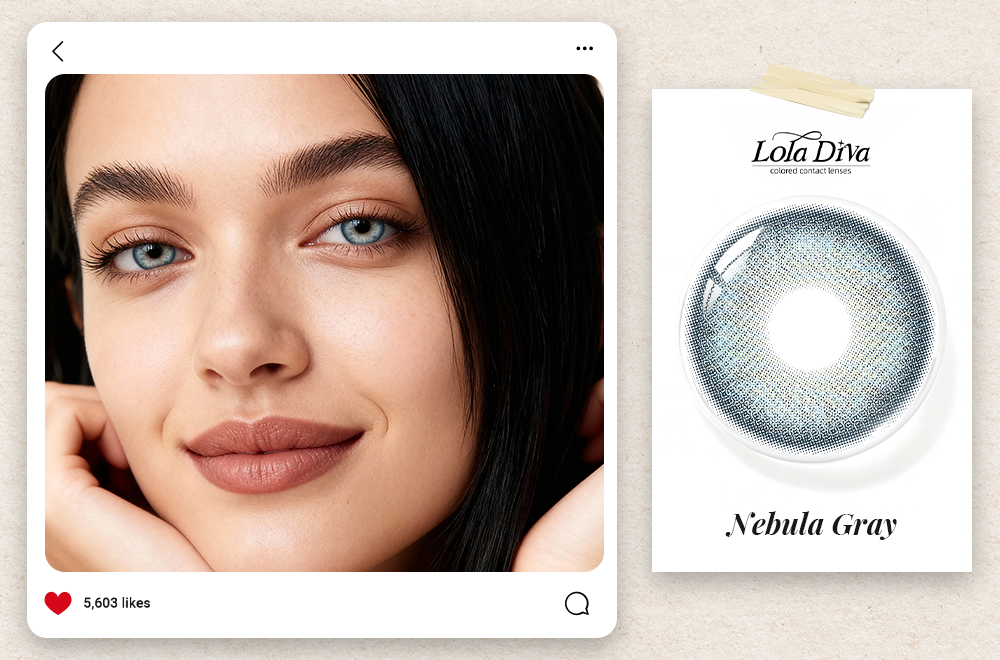
Water content is one of the most commonly misunderstood parameters when selecting contact lenses. Many consumers habitually believe that "higher water content means more moisture and comfort," even making it their primary purchasing criterion. However, from the perspectives of ophthalmology and materials science, this perception is somewhat misguided. This article will analyze the true meaning of water content from a professional standpoint and help you find the optimal water content range for your needs.
I. The Scientific Definition of Water Content: More Than Just "Amount of Water"What does water content in contact lenses mean, the water content of a contact lens refers to the weight percentage of water within the lens material. According to international standards, water content is generally classified into three levels: Low (55%). Lenses with different water content levels exhibit fundamental differences in material structure, oxygen transmission mechanisms, and wearing experience.
Low water content lenses are typically made from materials primarily composed of HEMA (hydroxyethyl methacrylate). They are relatively firmer, hold their shape well, but rely more on the material itself for oxygen permeability. Medium water content lenses strike a balance between comfort and oxygen permeability, making them a mainstream choice in the current market. High water content lenses incorporate more hydrophilic groups into the material, offering an extremely soft and moist feeling upon initial wear. However, this comes with a series of overlooked drawbacks.
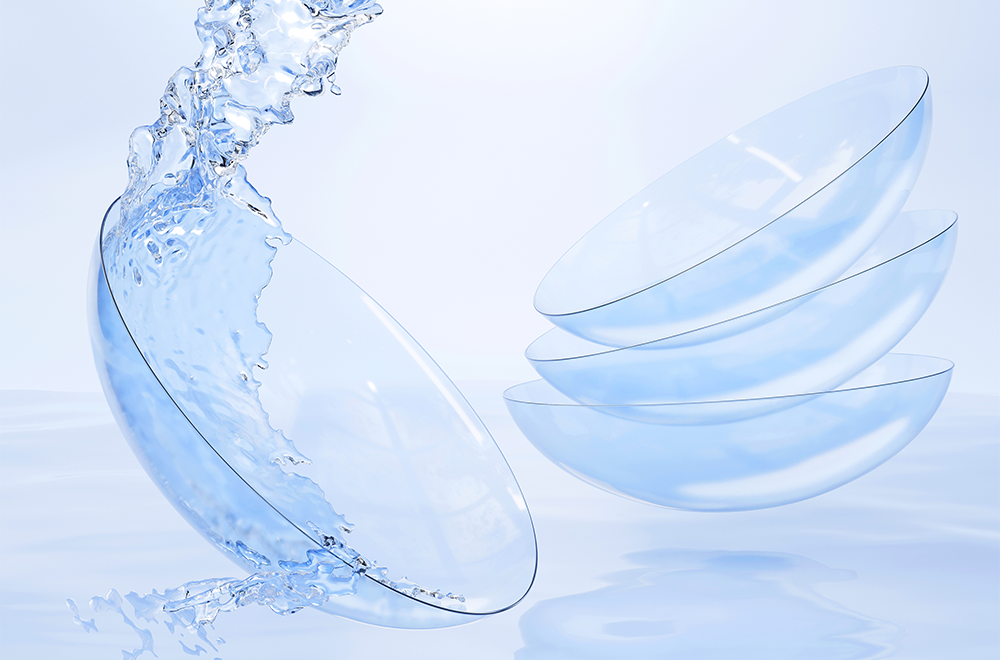
II. The Hidden Trap of High Water Content: Why "Moist" Doesn't Equal "Comfortable"The most significant issue with high water content lenses (above 60%) is the "reverse absorption" phenomenon. To maintain their own moisture balance, these lenses can actually absorb fluid from the eye's surface (the tear film) after being worn for a period.
This explains why many users report that high water content lenses feel very comfortable right after insertion but become drier and more uncomfortable after 3-4 hours compared to low water content lenses.
Regarding the oxygen transmission mechanism, traditional hydrogel materials rely on water to conduct oxygen, so theoretically, higher water content leads to better oxygen permeability. However, this improvement has a clear point of diminishing returns – once water content exceeds 50%, the increase in oxygen transmissibility is very limited, while the mechanical strength of the lens decreases significantly. High water content lenses are more prone to breakage, deformation, and also tend to attract protein deposits more tenaciously, making them harder to clean thoroughly.
Furthermore, a high-water environment can be a breeding ground for bacteria. If cleaning routines and replacement schedules are not strictly followed, the risk of eye infections associated with high water content lenses is considerably higher than with low water content products.
 III. How to Determine the Right Water Content for You? Analysis Across Four Dimensions
Choosing the right water content isn't about following trends; it requires a comprehensive assessment based on your individual eye conditions, wearing habits, and living environment.
1. Tear Film Status (The Most Critical Factor)If you have a tendency towards dry eyes or spend long hours in front of a computer (where reduced blink rate accelerates tear evaporation), it is advisable to choose low to medium water content lenses (38%-50%). These contacts for dry eyes are less likely to compete for your already limited tears, providing more stable comfort during extended wear.
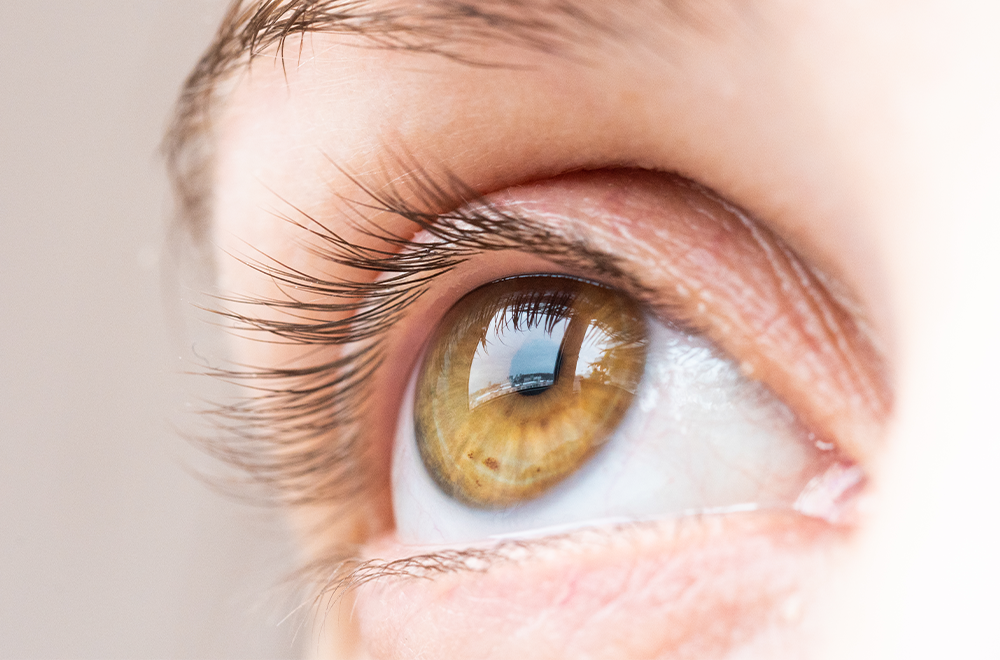
If your eyes are naturally well-hydrated with ample tear production, you might consider medium to high water content lenses (40%-60%) to enjoy the initial softness, but it's still important to monitor wearing time.
2. Wearing Duration and Usage ScenariosFor daily commuting and wear within 8 hours: Medium water content lenses (40%-55%) are often the optimal choice, balancing comfort and stability.

For extended wear (over 8 hours) or in air-conditioned environments: Low water content lenses (around 38%) are recommended, as they offer greater resistance to drying and are less likely to cause eye dryness with contacts afternoon.
For occasional wear (weekends, special occasions): High water content lenses (55%-60%) can be considered, leveraging their initial moist feel, but wearing time should ideally not exceed 6 hours.
3. Living Environment and ClimateIn arid regions (e.g., northern winters, plateaus) or environments with air conditioning/heating: Low water content lenses are more reliable, as they are less prone to dehydration and shape changes caused by environmental dryness.
In humid areas (e.g., southern coasts): Medium water content lenses tend to perform more stably, while high water content lenses in humid conditions might attract excessive protein deposits.

4. Prescription Power and Lens ThicknessFor high prescriptions (above -6.00 diopters), the center of the lens is thicker. If combined with a high water content material, the lens can become bulkier overall, leading to noticeable foreign body sensation. It is recommended that users with high prescriptions opt for low water content, high oxygen permeability materials like silicone hydrogel, which are both thin and resistant to drying.
IV. LolaDiva's Water Content Strategy: Scientific Proportioning, Tailored to Individual NeedsLolaDiva's soft contact lens design fully considers the need for differentiated water content, rather than simply pursuing "higher is better."
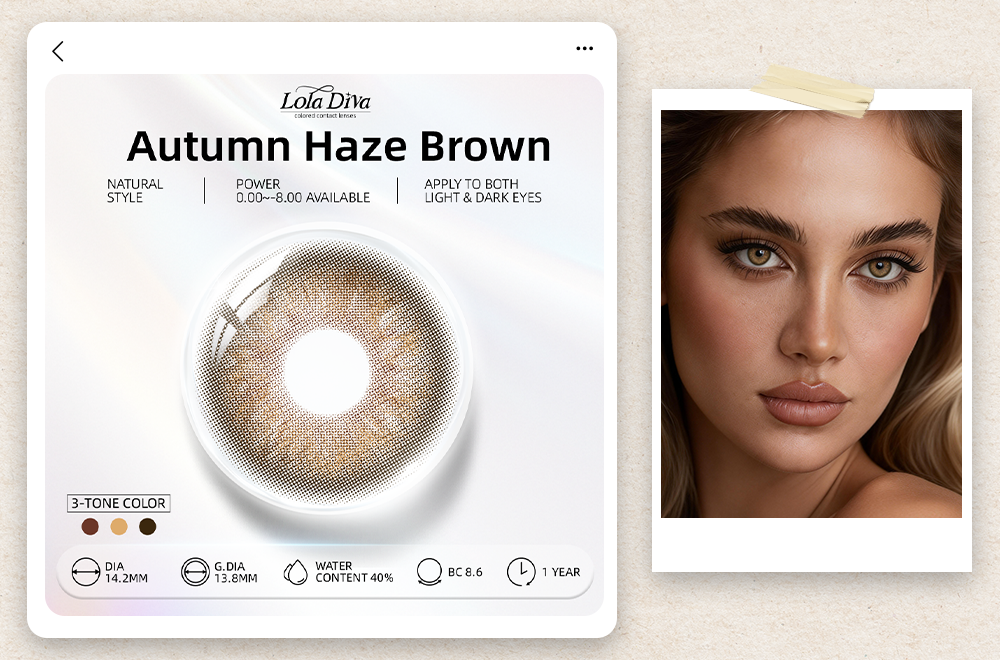
The classic series, represented by
Autumn Haze Brown, utilizes a 40% gold-standard water content ratio. This value has been validated through extensive user testing, ensuring the lens remains soft and well-fitting while avoiding the reverse absorption issues associated with high water content lenses. Combined with sandwich color technology, the pigment layer is safely encapsulated, keeping the water content stable and controllable – ideal for office workers requiring long wearing hours.
For users seeking an exceptionally moist feel, LolaDiva's daily disposable series features a moderately high water content of 55%, but limits the wearing period (single use). This fundamentally mitigates the hygiene risks and protein deposition problems inherent in high water content lenses.
More importantly, all LolaDiva contact lenses incorporate silicone hydrogel material upgrades, achieving direct oxygen conduction through silicone channels, thereby reducing dependence on water content for oxygen transmission. This means that even with the choice of a 38% low water content product, users can still achieve a higher oxygen permeability (Dk/t) values, fundamentally resolving the traditional hydrogel dilemma of "needing high water content for high oxygen permeability."
V. Practical Advice: A Decision Tree for Choosing Water Content1. Eyes prone to dryness, need extended wear Choose 38%-42% low water content silicone hydrogel.
2. Eyes are moist, wearing time within 6 hours Consider 50%-55% medium water content.
3. Occasional wear, seeking ultimate softness Choose daily disposable high water content, but wear for no more than 6 hours.
4. High prescription (above -6.00D) Prioritize low water content for a thinner lens.
5. Dry environment / working in air conditioning Avoid high water content above 60%.
ConclusionChoosing the water content for contact lenses is an art of balance. Blindly pursuing high water content can be counterproductive, potentially leading to the discomfort of "increasing dryness" later in the day. Understanding your own ocular condition, selecting a scientifically appropriate water content, and combining this with high-oxygen-permeability silicone hydrogel materials are the true keys to achieving both "beauty" and "comfort." LolaDiva advocates not only for colorful eyes but also for a science-based, healthy wearing philosophy – after all, only healthy eyes can sustain lasting beauty.