How Long Can You Wear Contact Lenses? A Complete Guide to Safe Daily Wear Time
If you've ever wondered how long you can wear contact lenses safely each day, you're not alone. Whether you're a first-time wearer or a seasoned user, understanding the recommended wear time for your specific lens type is essential for keeping your eyes healthy and comfortable. Overwearing contacts can lead to dryness, irritation, and even serious eye infections.

In this guide, we'll break down the safe lens wear schedule for different types of contact lenses, explain what factors affect how long you can keep them in, and share the warning signs that tell you it's time to remove them.
--------------------------------------------------------------------------------
How Many Hours Can You Wear Contact Lenses Per Day?
Most eye care professionals recommend wearing contact lenses for 8 to 16 hours per day, depending on the lens type and your individual eye health. So if you're asking how long can you wear contact lenses in a day, the answer depends on what kind of lenses you have.
Here's a quick breakdown by lens type:
Lens TypeDaily Wear TimeReplacement ScheduleDaily Disposable8–16 hoursDiscard after 1 dayBi-Weekly10–12 hoursReplace every 14 daysMonthly10–12 hoursReplace every 30 daysYearly8–10 hoursReplace every 12 monthsExtended WearUp to 7 days (24/7)Replace weekly/monthlyColored/Cosmetic8–10 hoursVaries by type
The key rule? Never sleep in your lenses unless they are specifically approved for extended wear. Even then, most eye doctors recommend removing them at least once a week to give your eyes a break.
--------------------------------------------------------------------------------
Yearly Contact Lenses: What You Need to Know
Yearly contact lenses are a popular choice for colored and cosmetic lenses, offering the best long-term value for wearers who want consistent color and style without frequent replacements. However, they require the most diligent care to remain safe throughout their 12-month lifespan.
Daily Wear Time for Yearly Lenses:
Limit yearly contact lenses to 8–10 hours per day. Because they are designed to last a full year, the material is slightly thicker and less breathable than shorter-term options. This makes proper daily wear limits even more critical for maintaining corneal health.
Care Requirements for Yearly Lenses:
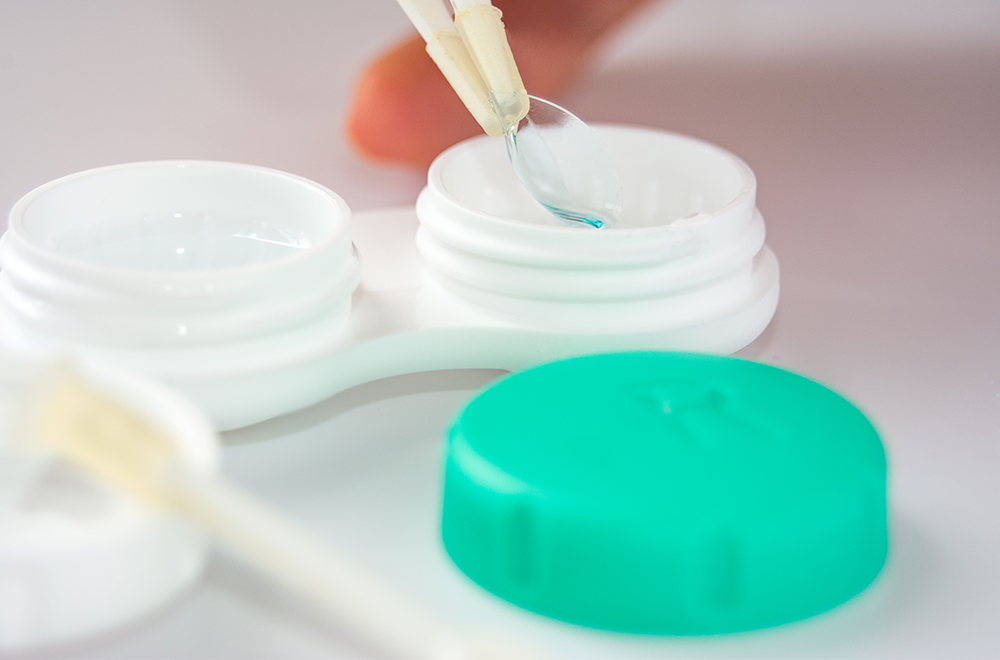
- Clean and disinfect your lenses every night with fresh multipurpose solution
- Replace your lens case every 3 months
- Never use tap water or saliva to clean your lenses
- If you experience any discomfort, redness, or blurred vision, discontinue use and consult your eye doctor
When to Replace Yearly Lenses Sooner:
Even though they're called "yearly," you should replace them earlier if:
- The lenses become torn, scratched, or visibly damaged
- You experience persistent discomfort despite proper care
- Your prescription changes
- You've had an eye infection while wearing them
Ready to commit to a signature look that lasts all year? Our LolaDiva yearly colored contacts are FDA, CE, and ISO certificated from just $5.99—one pair, endless compliments.
--------------------------------------------------------------------------------
Daily Wear vs. Extended Wear: What's the Difference?
Understanding the difference between these two categories is crucial for safe lens use and proper contact lens hygiene.
Daily Wear Lenses
These are designed to be removed before sleep. This includes daily throw away contact lenses, bi-weekly, monthly contact lenses, and yearly contact lenses. They offer excellent comfort and breathability during waking hours but must be taken out at night to allow oxygen to reach your cornea.
Skip the nightly cleaning ritual entirely—our LolaDiva daily colored contacts let you start every morning with a pristine pair. Super comfortable, no fuss, from just $1.99.
Extended Wear Lenses
Made from advanced silicone hydrogel material, these lenses allow significantly more oxygen permeability to pass through to your eye. Some are FDA approved contact lenses for continuous wear up to 7 days, and a few even up to 30 days. However, sleeping in any contact lens still carries a higher risk of eye infection than removing them nightly.
Important: Even if your lenses are approved for extended wear, most eye care professionals now prefer daily wear schedules for their patients because the infection risk is lower.
--------------------------------------------------------------------------------
Recommended Wear Time for Beginners vs. Experienced Users
If you're new to contact lenses, your eyes need time to adjust. Jumping straight to a 12-hour day can cause discomfort and redness. Many people ask for how long can you wear contact lenses when first starting out, and the answer is: start slow.
For Beginners (First-Time Wearers):
DayRecommended Wear TimeDay 14 hoursDay 26 hoursDay 3–58–10 hoursWeek 210–12 hoursAfter 1 Month12–14 hours
Gradually increasing wear time helps your eyes build tolerance and reduces the risk of irritation.
For Experienced Users:
Even if your eyes feel fine, stick to a maximum of 12–16 hours per day. If you have dry eyes or work long hours in front of a screen, aim for the lower end of that range (8–10 hours). How long can you wear contact lenses for ultimately depends on listening to your body's signals.
--------------------------------------------------------------------------------
Factors That Affect How Long You Can Wear Contact Lenses
Your personal "safe wear time" isn't one-size-fits-all. Several factors can shorten or extend how long your lenses feel comfortable:
1. Eye Sensitivity and Dry Eye
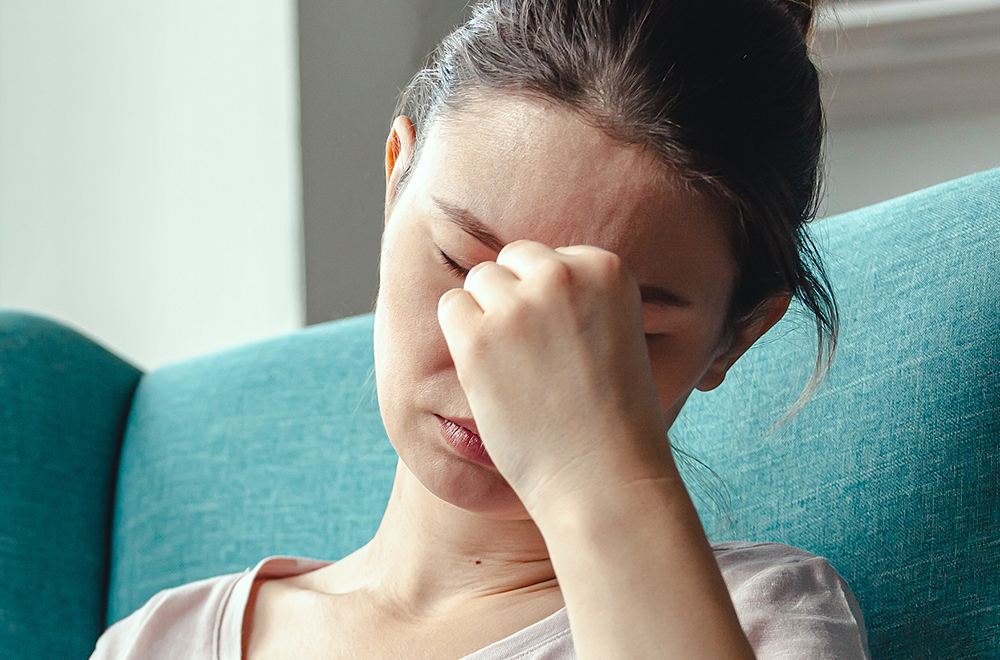
If you naturally have dry eyes or seasonal allergies, your comfortable wear time may be significantly shorter—sometimes just 6–8 hours. If you need contact lenses for dry eyes, look for lenses specifically designed with enhanced moisture retention.
2. Work Environment
Office workers often struggle with longer wear times due to:
- Low humidity from air conditioning
- Reduced blinking while staring at screens
- Recycled air drying out lenses
If this sounds like you, try to limit wear to 10 hours and use lubricating eye drops approved for contact lens wearers.

3. Lens Material
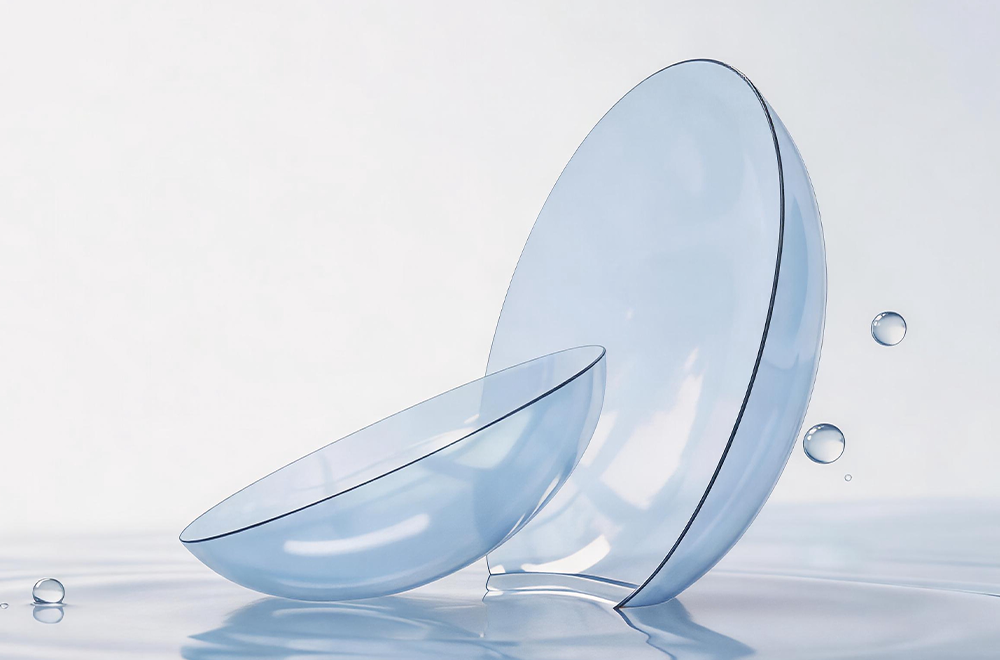
- Silicone hydrogel lenses allow more oxygen through, supporting longer wear times. When your calendar is packed with back-to-back meetings and screen time, your eyes deserve lenses that work as hard as you do. Our LolaDiva Silicone Hydrogel clear contact lenses
- Traditional hydrogel lenses are less breathable and may require shorter wear periods
- Soft contact lenses are the most common type and generally comfortable for 10–12 hours. Tired of soaking cases and solution bottles cluttering your bathroom counter? Switch to LolaDiva daily colored contacts
- Colored/cosmetic lenses and yearly contact lenses are often less breathable than clear lenses, so limit these to 8–10 hours. Why settle for ordinary when you can own the room? Our LolaDiva yearly colored contacts
4. Age and Overall Health
As you age, tear film stability naturally decreases. Certain medications (like antihistamines) and health conditions can also reduce how long you can comfortably wear lenses.
--------------------------------------------------------------------------------
Warning Signs You're Wearing Your Lenses Too Long
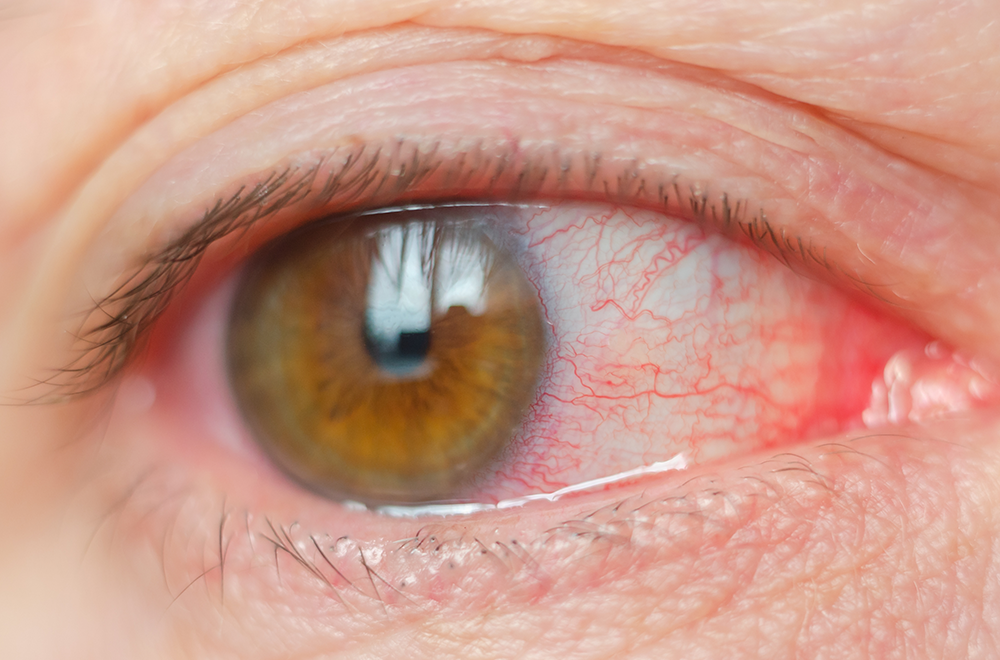
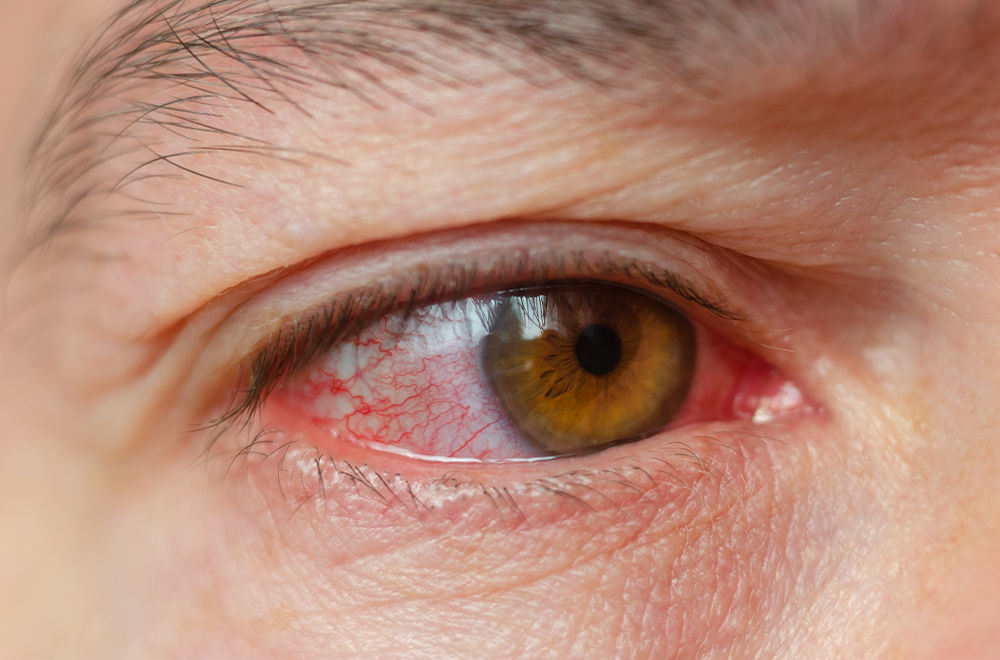
Your eyes will tell you when they've had enough. Ignoring these signals can turn minor irritation into serious complications like corneal ulcers or infections. This is known as contact lens overwear syndrome, and it should never be ignored.
Remove your lenses immediately if you experience:
- Redness or bloodshot eyes
- Dryness, burning, or stinging
- Blurred vision or sudden light sensitivity
- Excessive tearing or mucus discharge
- Feeling like something is stuck in your eye
What to do if you overwear your lenses:
1.Remove them immediately
2.Give your eyes a 24-hour break
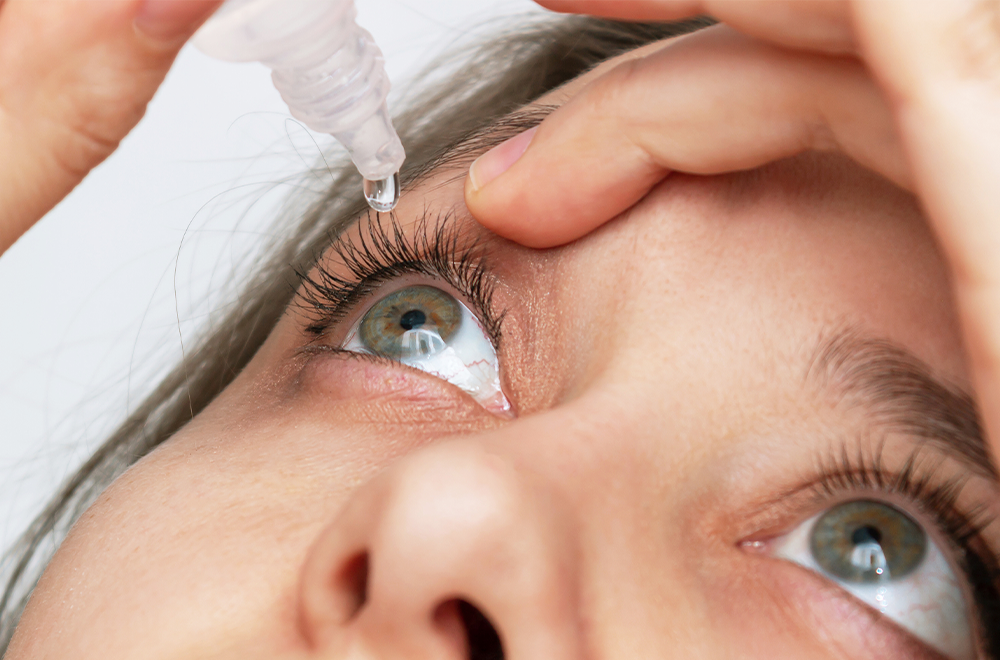
3.Use lubricating eye drops
4.If symptoms persist, see an eye doctor
--------------------------------------------------------------------------------
What Happens If You Wear Contact Lenses Too Long?
Pushing past the recommended wear time isn't just uncomfortable—it can damage your eyes and affect your corneal health.
Hypoxia (Lack of Oxygen to the Cornea)
Your cornea needs oxygen to stay clear and healthy. Overwearing contacts reduces oxygen flow, causing swelling, irritation, and even abnormal blood vessel growth.
Giant Papillary Conjunctivitis (GPC)
A condition where the inside of your eyelids becomes inflamed, causing chronic itchiness and making lens wear increasingly uncomfortable.
Corneal Ulcers and Infections
Bacteria can build up under the lens, leading to serious infections like keratitis. In severe cases, this can cause permanent vision damage.
--------------------------------------------------------------------------------
How Long Can You Wear Monthly Contact Lenses?
Many people specifically ask how long can you wear monthly contact lenses—not just per day, but throughout their entire replacement cycle. Monthly contact lenses are designed to be worn for up to 30 days from the moment you open the package, provided you clean and store them properly each night.
Your daily wear time for monthly contact lenses should still stay within the 10–12 hour range. Never extend the 30-day replacement period, even if the lenses still feel comfortable. Protein deposits and bacteria accumulate over time, making older lenses less safe regardless of how well you clean them.
--------------------------------------------------------------------------------
How Long Can You Wear 2 Week Contact Lenses?
How long can you wear 2 week contact lenses is another common question. Bi-weekly lenses follow the same daily wear guidelines (10–12 hours) but must be replaced every 14 days. Many wearers find bi-weekly lenses offer a good balance between the convenience of disposable contacts and the cost-effectiveness of reusable contact lenses.
--------------------------------------------------------------------------------
How Long Can You Wear Yearly Contact Lenses?
How long can you wear yearly contact lenses is a question many colored lens wearers ask. Unlike monthly or bi-weekly options, yearly contact lenses are designed to last a full 12 months with proper care. However, this extended lifespan comes with stricter hygiene requirements.
Your daily wear limit for yearly contact lenses should be 8–10 hours maximum. Because the material is optimized for color pigmentation and durability over breathability, these lenses are less oxygen-permeable than shorter-term alternatives. If you wear yearly contact lenses, be extra vigilant about cleaning routines and never exceed the recommended daily wear time.
--------------------------------------------------------------------------------
Tips for Maximizing Your Safe Wear Time
Follow these best practices to keep your eyes healthy and extend comfortable wear time:
- Wash your hands thoroughly before handling lenses
- Never reuse daily disposable lenses—even if you only wore them for an hour
- Use fresh solution every day for reusable contact lenses—never "top off" old solution
- Replace your lens case every 3 months to prevent bacterial buildup
- Take glasses breaks at least 1–2 days per week to let your eyes breathe
- Use rewetting drops formulated for contact lenses if your eyes feel dry
- Avoid swimming or showering in your lenses to prevent waterborne infections

--------------------------------------------------------------------------------
FAQ About Contact Lens Wear Time
Can I wear daily contacts for more than one day if they still feel fine?
No. Contact lenses use and throw daily disposables are designed for single use only. Reusing them significantly increases infection risk because they aren't built to resist bacterial buildup. 95% of used daily lenses in one study were found to be contaminated with harmful bacteria.
Is it okay to take a nap in my contact lenses?
Even short naps can reduce oxygen flow to your cornea and increase dryness and infection risk. If you must nap, use overnight contact lenses approved for extended use—but daily wear lenses should always be removed.
How long can I wear colored contact lenses?
Colored and cosmetic lenses are generally less breathable than clear lenses. Limit wear to 8–10 hours per day, even if the packaging suggests longer. Looking for a shade that matches your mood? Browse LolaDiva yearly colored contacts—FDA, CE, and ISO certificated from $5.99, with colors that stay true month after month.
Can I wear contacts every single day?
While some people do, eye doctors generally recommend giving your eyes a break from lenses for 1–2 days per week. This helps maintain long-term eye health and lens prescription renewal intervals.
What if my job requires 14+ hours of lens wear?
Talk to your eye doctor about silicone hydrogel daily disposables with high oxygen permeability. Keep backup glasses handy, use lubricating drops, and step away from screens periodically to blink and rest your eyes. Power through marathon workdays without the burn—our LolaDiva Silicone Hydrogel clear contact lenses keep your eyes hydrated and happy at just $0.99 per lens. High-end performance, budget-friendly price.
Are daily colored contacts better for occasional use?
If you only wear colored contacts for special occasions or a few days a week, daily disposables are often the best choice. They eliminate the need for storage and cleaning, and you get a fresh, sterile pair every time. Date night, concert, or just because—our LolaDiva daily colored contacts bring the pop without the prep. From $1.99 per pair, your eyes get a fresh start every single wear.
What about transition contact lenses?
Transition contact lenses that darken in sunlight are a newer option, but they follow the same wear time guidelines as standard lenses. Limit wear to 10–12 hours and never sleep in them unless specifically designed for extended wear.
Are there permanent contact lenses?
While some people use the term permanent contact lenses to refer to long-term wear options, no contact lens is truly permanent. Even extended wear lenses have a maximum replacement schedule. For truly permanent vision correction, procedures like LASIK are the only option.
What are specialty contact lenses?
Specialty contact lenses include toric lenses for astigmatism, multifocal lenses for presbyopia, and scleral lenses for irregular corneas. These often require a more customized contact lens replacement schedule based on your eye doctor's recommendations.
How do yearly lenses compare to monthly lenses in terms of comfort?
Yearly contact lenses tend to be slightly thicker and less breathable than monthly options due to their color pigmentation and extended lifespan design. While they offer excellent value and color consistency, you may need to limit your daily wear time to 8–10 hours and be extra diligent with cleaning routines. If comfort is your top priority, monthly or daily disposables might be a better fit. Invest in a look that lasts—LolaDiva yearly colored contacts deliver certified quality and head-turning color from just $5.99.
--------------------------------------------------------------------------------
Conclusion
So, how long can you wear contact lenses? The safe answer is 8 to 16 hours per day, depending on your lens type, eye health, and lifestyle. Beginners should start with just 4 hours and gradually build up. The most important rule isn't a number on a chart—it's learning to listen to your eyes. If they feel tired, dry, or irritated, remove your lenses and give them a rest.
When in doubt, always follow your eye doctor's specific recommendations. They know your eyes best and can recommend the ideal lens type and wear schedule for your unique needs.
How long can you wear daily contact lenses comfortably? With the right pair, you can enjoy clear vision from morning to night.


