Most Natural Colored Contact Lenses: Your Complete Guide to a Realistic Eye Color Change
Have you ever seen someone with eyes so striking you had to ask, "Are those real?" That's the magic of most natural colored contact lenses — they don't scream "I'm wearing contacts." They whisper "I woke up like this."
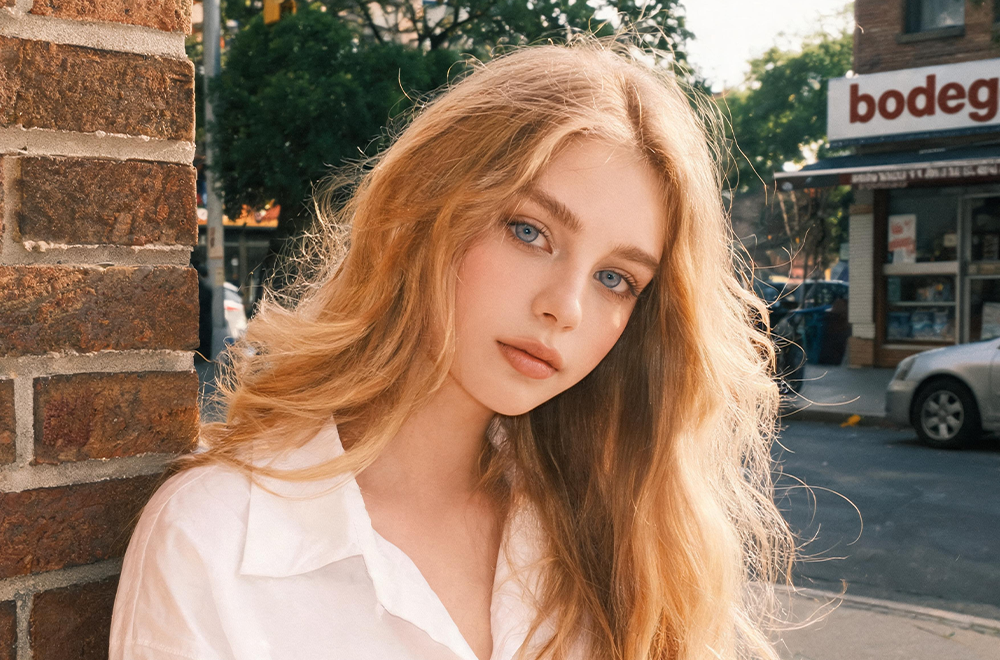
But here's the truth: not all natural colored contact lenses are created equal. Some look flat, artificial, or obviously fake. Others blend so seamlessly with your natural iris that even your closest friends won't suspect a thing. This guide breaks down exactly how to find the most natural colored contact lenses for your unique eyes, skin tone, and lifestyle — so you get compliments on your "gorgeous eyes," not your "cool contacts."
--------------------------------------------------------------------------------
What Makes Natural Looking Colored Contact Lenses Look Authentic?
Before diving into specific colors and brands, let's decode what separates "obviously fake" from "absolutely real."
The Science of a Natural Look: Blending Zones
Your natural eye isn't one solid color. It has:
- A limbal ring (the dark outer edge) that adds depth and definition
- A base color that varies in intensity
- Flecks, streaks, and starburst patterns that create dimension
The most natural colored contact lenses replicate this complexity. They don't just slap a single color over your iris — they use multi-tone printing, radial blending, and subtle limbal rings to mimic nature's design. This is what separates premium color enhancing contacts from cheap, flat-tint alternatives.
Opacity Matters: Why "See-Through" Isn't Always Better
Opacity refers to how much the lens pigment covers your natural eye color.
|
Opacity Level
|
Best For
|
Natural Look Rating
|
|
Enhancement Tint
|
Light eyes only
|
⭐⭐⭐⭐⭐ (for light eyes)
|
|
Opaque/Color Tint
|
Dark eyes
|
⭐⭐⭐⭐⭐ (when well-designed)
|
|
Semi-Opaque
|
Medium brown eyes
|
⭐⭐⭐⭐
|
For dark brown eyes, you need opaque colored contact lenses that fully cover your natural color — but the design of that opacity determines whether you look natural or like a cartoon character. The best natural colored contacts use "blended opacity" that fades toward the pupil, avoiding the dreaded "bug-eye" effect.
Diameter and Base Curve: The Fit Factor
Even the most beautiful lens won't look natural if it doesn't fit right.
- Base curve (BC): Should match your cornea's curvature (typically 8.4–8.6mm)
- Diameter: Standard is 14.0–14.2mm. Larger diameters (14.5mm+) create a "dolly" effect that's less natural
A lens that slides around or sits off-center screams "fake." A lens that fits perfectly stays invisible.
--------------------------------------------------------------------------------
The Most Natural Color Contact Lens Colors by Eye Color
Your starting eye color determines which shades will look most authentic.
For Dark Brown Eyes: The "Is That Real?" Transformation
Dark brown eyes are the most common globally — and the hardest to transform naturally. You need high-opacity colored contact lenses with sophisticated color layering.
Top natural shades for dark brown eyes:
1.Honey/Amber Brown
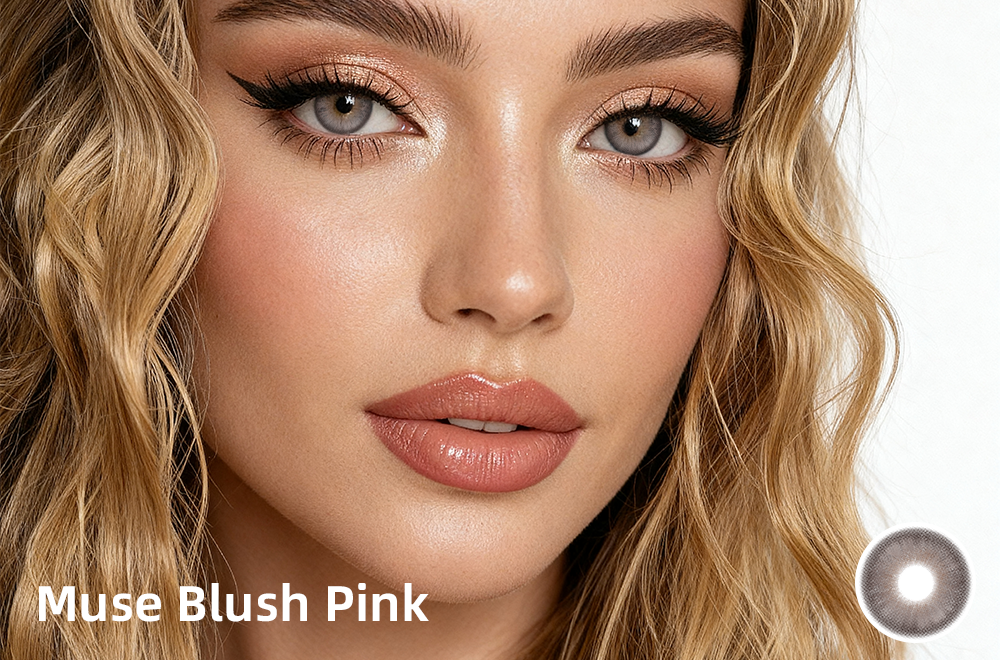
— Adds golden warmth without looking artificial. The brown base blends with your natural darkness while honey streaks catch the light. Try
LolaDiva Muse Blush Pink for a soft, warm-toned option that enhances depth with subtle golden undertones.
2.Hazel
— The ultimate chameleon color. Green-gold-brown combinations create depth that reads as genetically possible.
3.Warm Gray
— Avoid blue-gray (too stark). Warm, smoky gray with brown undertones looks surprisingly natural on deep brown eyes.
4.Olive Green
— Earthy, muted greens blend better than bright emerald. Think "forest floor," not "neon sign."
Pro tip: The most natural colored contacts for dark eyes always include a dark limbal ring and radial color streaking. Avoid solid-color lenses at all costs.
For Medium Brown Eyes: Subtle Enhancement
Medium brown eyes have more flexibility. You can use enhancement tints or light opacity lenses.
Best natural options:
- Light hazel — Amplifies existing golden flecks
- Soft green — Muted sage or olive tones
- Amber — Warm, sunlit brown that looks like you spent summer outdoors
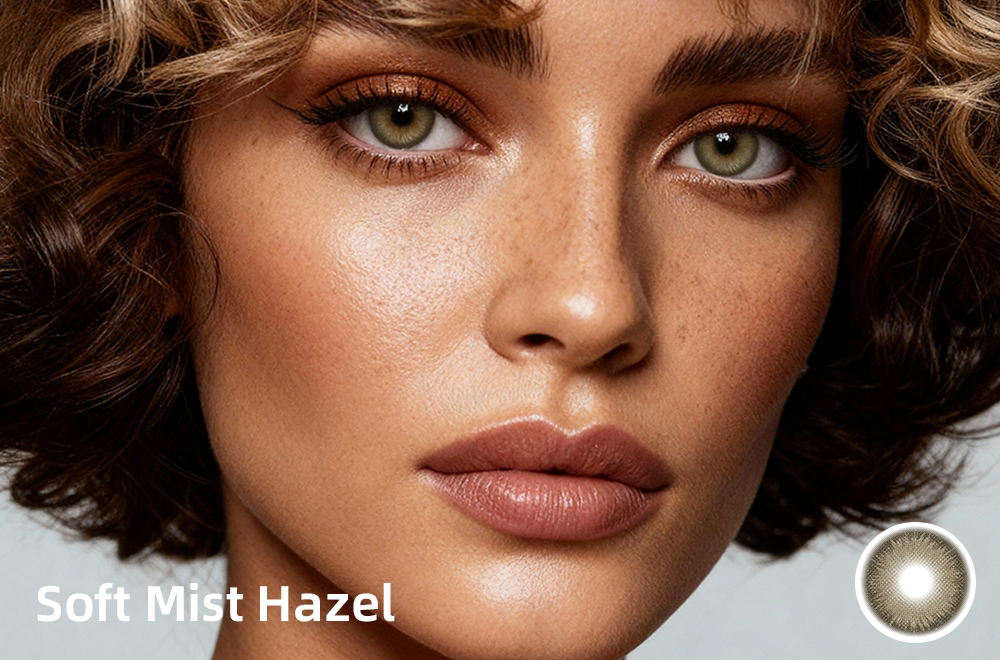
For a beautifully subtle hazel transformation, check out
LolaDiva Soft Mist Hazel — its multi-tone design blends golden and green flecks for a naturally sun-kissed effect.
For Light Eyes (Blue, Green, Hazel): Amplify What You Have
Light-eyed wearers don't need full opacity. The goal is enhancement, not masking.
Most natural choices:
- Enhancement gray — Deepens light blue to steel gray
- Green enhancement — Intensifies hazel to vivid green
- Honey tint — Warms pale blue to aquamarine
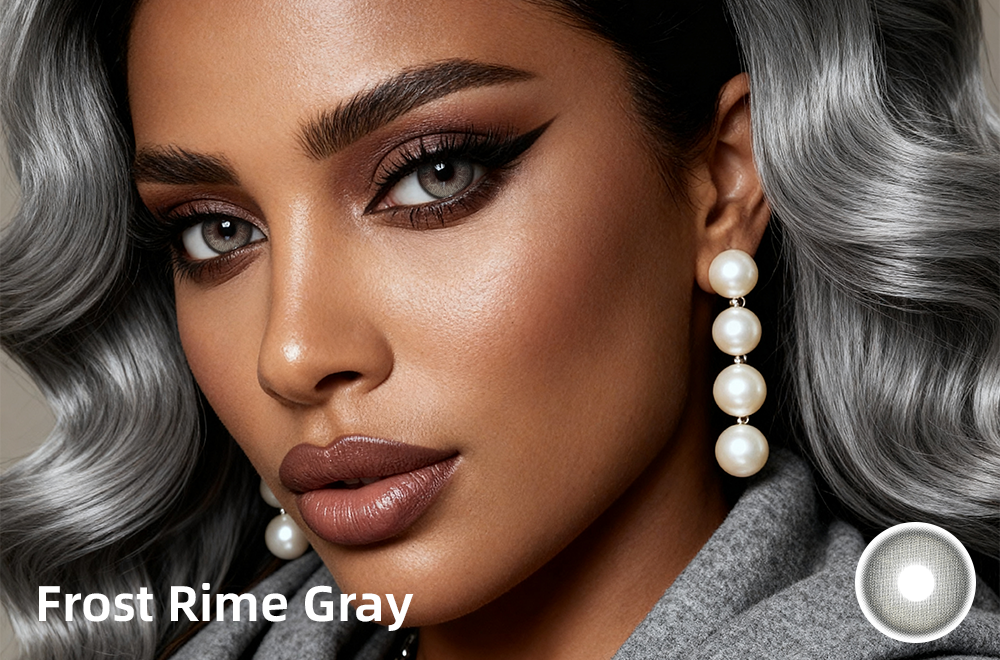
If you have light eyes and want a refined gray enhancement,
LolaDiva Frost Rime Gray offers a sophisticated, multi-dimensional look that deepens your natural color without masking it.
--------------------------------------------------------------------------------
Skin Tone Matching: The Secret to "That Looks Real"
Natural-looking lenses don't exist in isolation — they must harmonize with your overall coloring.
Warm Skin Tones (Golden, Olive, Yellow Undertones)
- Best natural shades: Honey brown, amber, warm hazel, olive green
- Avoid: Cool blue-gray, icy violet, stark black
- Why: Warm tones in the lens echo the warmth in your skin, creating visual harmony
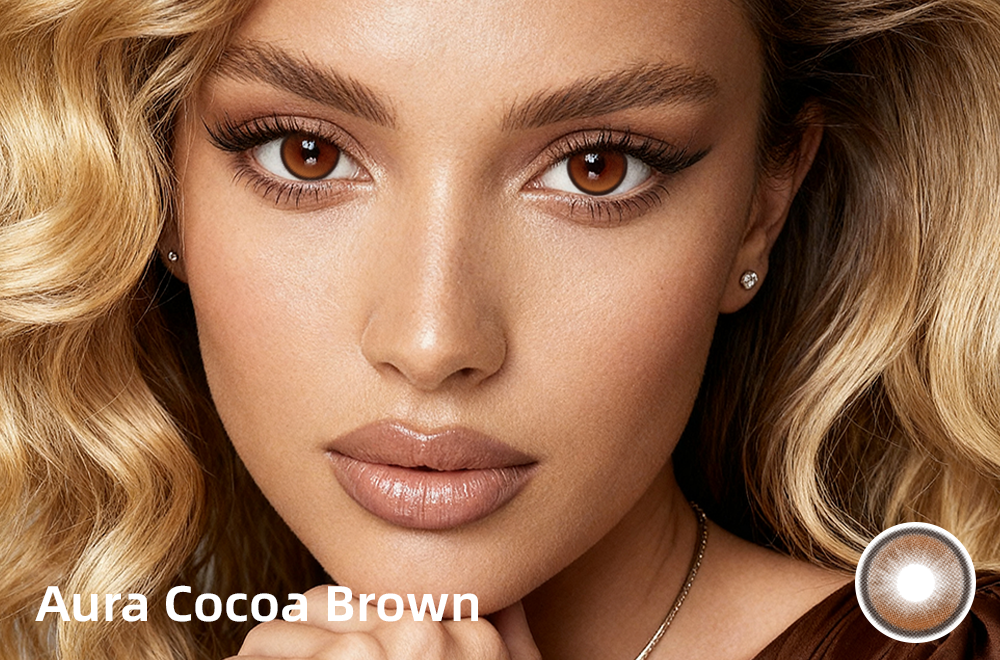
For warm skin tones,
LolaDiva Aura Cocoa Brown delivers rich honey-brown warmth that complements golden undertones beautifully.
Cool Skin Tones (Pink, Red, Blue Undertones)
- Best natural shades: Cool gray, steel blue, soft green, taupe brown
- Avoid: Orange-brown, golden hazel, warm amber
- Why: Cool-toned lenses complement pink undertones without clashing
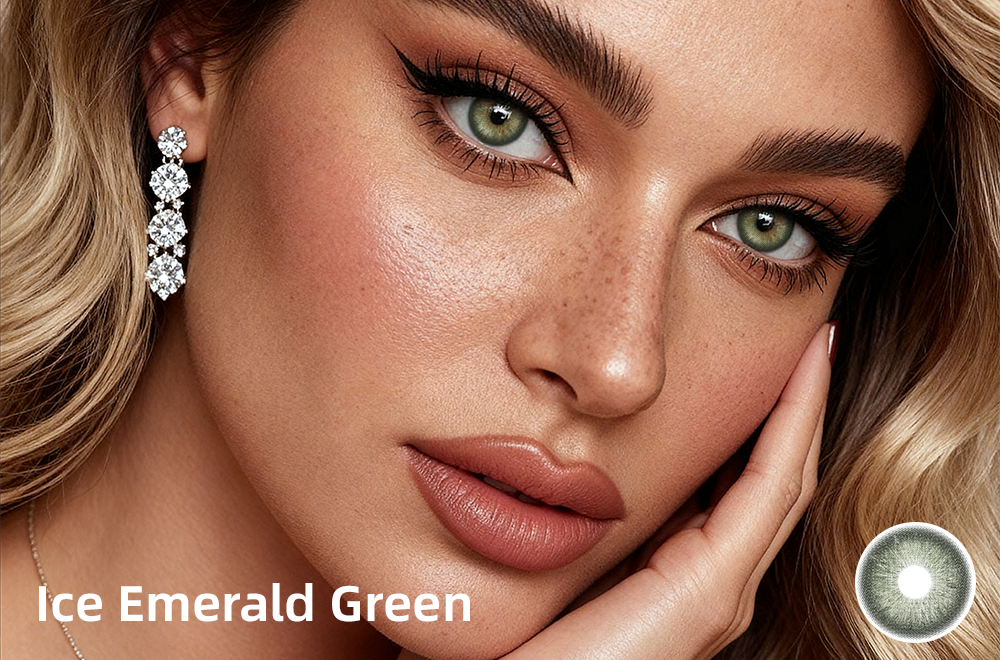
Cool-toned beauties will love LolaDiva
Ice Emerald Green — a muted, sophisticated green that harmonizes with pink and blue undertones.
Neutral Skin Tones
Lucky you — most shades work. Focus on saturation level rather than temperature:
- Fair skin: Softer, more muted shades (avoid high-contrast colors)
- Medium skin: Medium saturation works best
- Deep skin: Rich, saturated colors look most natural (pale shades can look washed out)
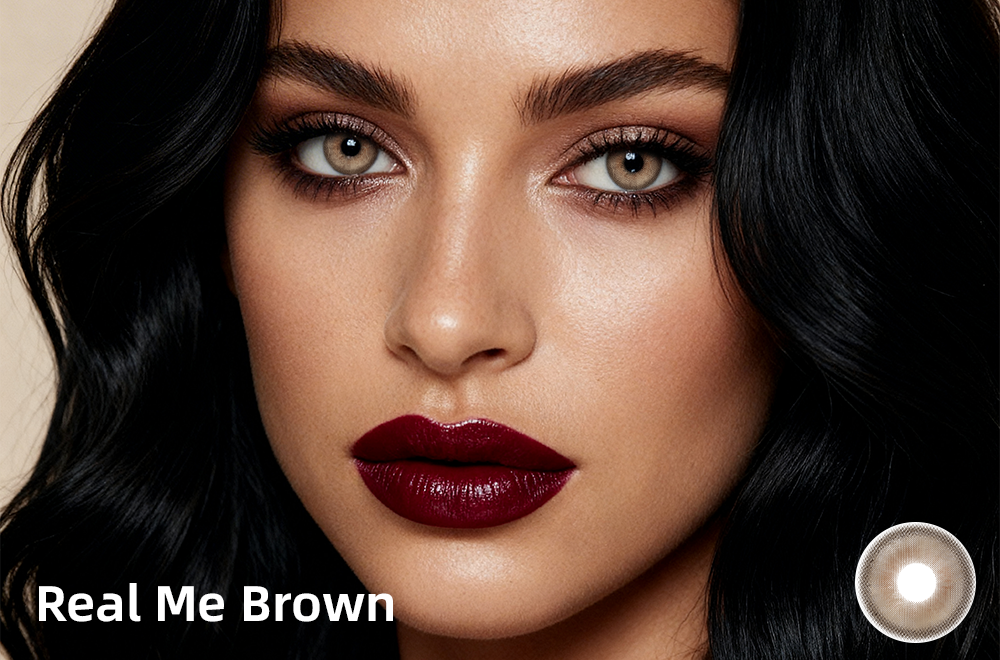
If you have neutral undertones,
LolaDiva Real Me Brown is a versatile, true-to-life brown that adapts beautifully across all skin depths.
--------------------------------------------------------------------------------
The Most Natural Looking Colored Contact Lens Styles by Occasion
Everyday Natural: "I Just Have Nice Eyes"
For daily wear, school, or conservative workplaces:
- Natural brown contacts — Honey, amber, or light chocolate
- Subtle hazel contacts — Green-brown blends that shift in different lights
- Soft gray contacts — Muted, not metallic
These should be low-drama, high-blend. Nobody should question whether they're real.
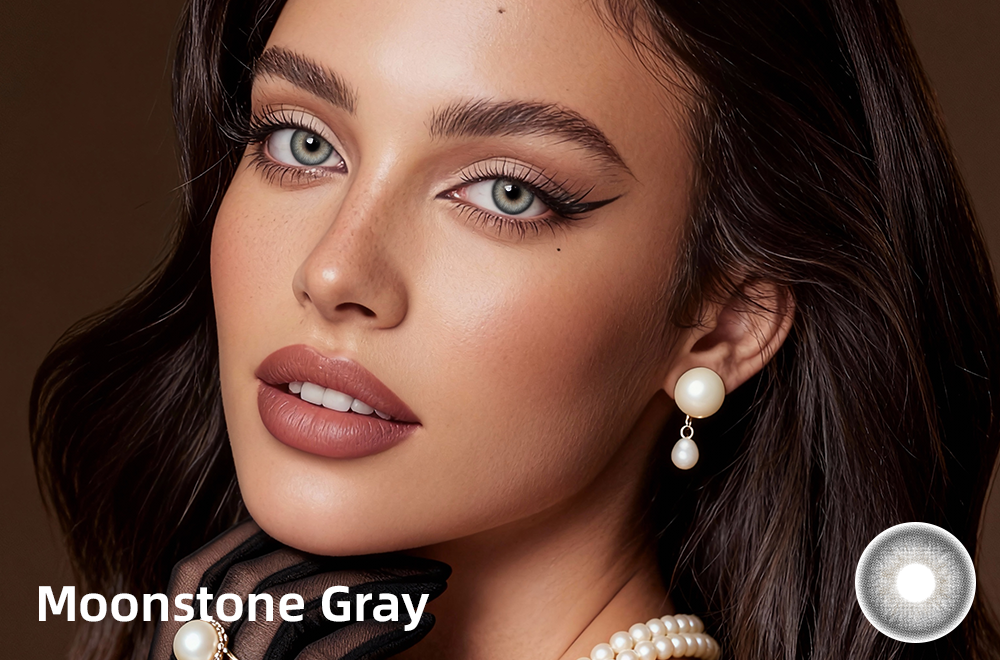
For everyday wear that stays under the radar,
LolaDiva Moonstone Gray offers a soft, whisper-quiet gray that enhances without announcing itself.
Professional Settings: Polished and Understated
Job interviews, client meetings, corporate environments:
- Stick to brown and hazel families
- Avoid bright blues, greens, or violets
- Choose lenses with thin, natural limbal rings (not thick black circles)
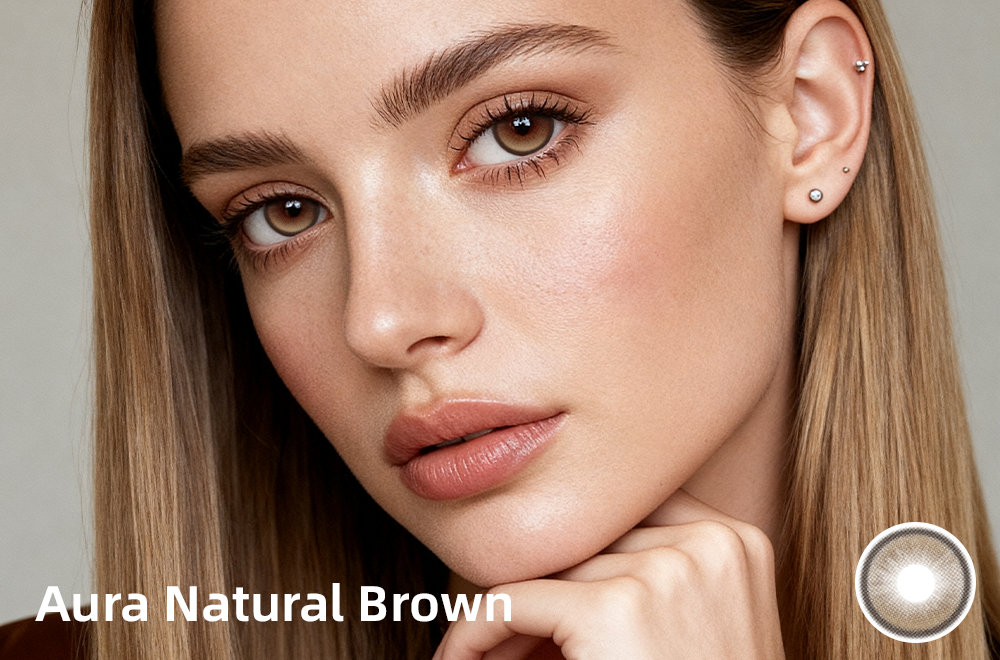
In professional settings,
LolaDiva Aura Natural Brown is your go-to — a polished, believable brown that reads as confident and authentic.
Social Events: Noticeable but Believable
Dates, dinners, parties where you want to stand out — but not look costume-y:
- Rich hazel with prominent green streaks
- Warm gray with brown inner rings
- Deep olive that looks almost brown in dim light
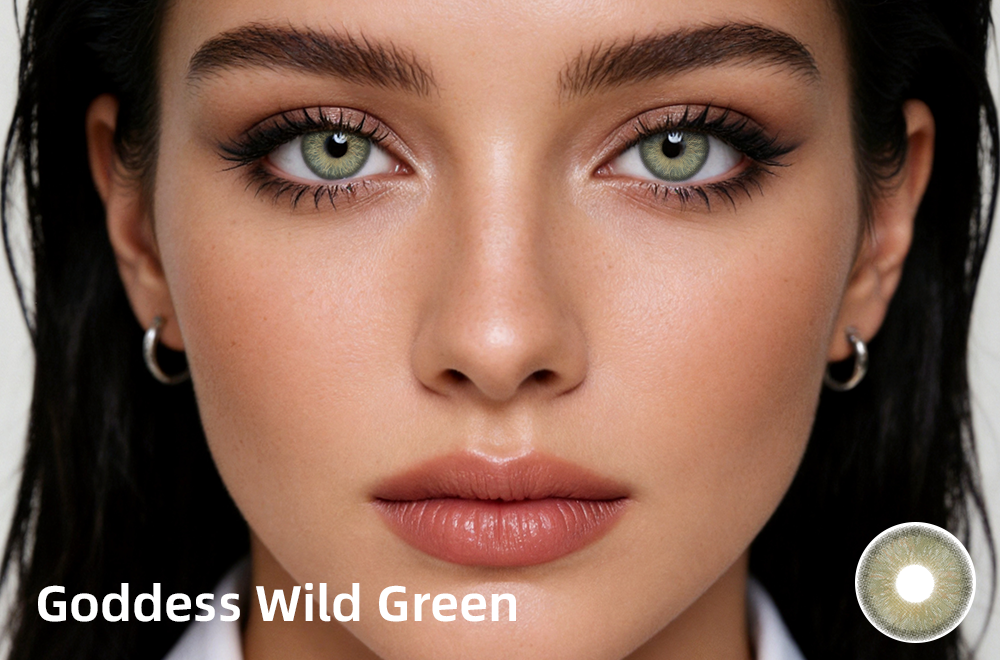
When you want to turn heads without raising eyebrows,
LolaDiva Goddess Wild Green delivers a rich, earthy green that captivates in candlelight and passes for real in daylight.
Cosplay and Creative: When Natural Isn't the Goal
For conventions, photoshoots, or creative expression, natural-looking colored contacts aren't the priority. Go bold! But for everyday wear, the advice above holds.
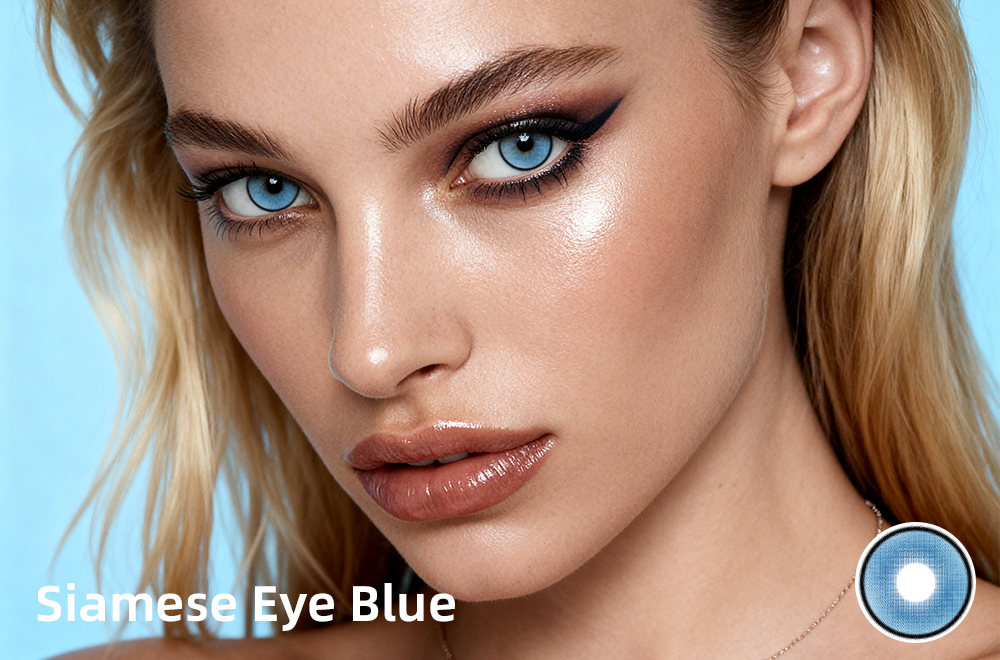
For bold creative looks,
LolaDiva Siamese Eye Blue makes a striking statement — perfect for cosplay contacts, themed events, or whenever you want your eyes to be the main character.
--------------------------------------------------------------------------------
How to Spot High-Quality Natural Color Contact Lenses
Not all lenses marketed as "natural" actually deliver. Here's your quality checklist:
Look for These Design Features
✅ Multi-tone printing — At least 3 color layers (base, mid-tone, highlight)
✅ Radial streaking — Color lines radiating from the pupil like a real iris
✅ Graduated opacity — Darker at the edges, lighter toward the center
✅ Natural limbal ring — Dark outer edge, but not a harsh black circle
✅ Pupil hole blending — Color should fade naturally into the clear pupil area (no sharp edges)
Red Flags for Fake-Looking Lenses
❌ Solid, flat color — No dimension or variation
❌ No limbal ring — Looks like a floating color disk
❌ Harsh color edges — Sharp lines between colors
❌ Too-bright saturation — Colors that don't exist in human eyes (neon blue, purple)
❌ Tiny pupil hole — Creates "pinpoint" vision and looks unnatural
Material and Comfort = Natural Behavior
The most natural colored contact lenses aren't just about looks — they're about how you act while wearing them.
If your lenses are uncomfortable, you'll:
- Blink excessively
- Rub your eyes
- Squint or tear up
- Avoid eye contact
All of these behaviors signal "something's wrong with my eyes" — blowing your cover.
Look for:
- High water content (38–55%) for all-day comfort
- Thin lens profiles that you forget you're wearing
- FDA/CE/ISO certified materials for safety and breathability
--------------------------------------------------------------------------------
Prescription vs. Non-Prescription: Does It Affect the Natural Look?
Short answer: No. The color design is identical whether you need vision correction or not.
However:
- Prescription colored contacts require a valid eye exam and fitting, ensuring the base curve and diameter match your eyes perfectly — which does affect how natural they look and feel.
- Non-prescription colored contacts (plano/0.00) still require proper sizing. Never buy "one size fits all" lenses.
Important: Even cosmetic lenses are medical devices. Only purchase from vendors who require or recommend a prescription and sell FDA approved colored contact lenses and CE/ISO certified products.
--------------------------------------------------------------------------------
Caring for Your Natural-Looking Colored Contacts
Even the most natural colored contact lenses will look terrible if they're dirty, dried out, or damaged.
Daily Care Routine
1.Wash hands thoroughly before handling
2.Use fresh solution every time (never water or saliva)
3.Rub gently to remove protein deposits
4.Store in a clean case (replace case every 3 months)
5.Never sleep in lenses unless specifically designed for extended wear
6.Replace on schedule — daily, monthly, or yearly as indicated
Signs It's Time to Replace
- Visible protein buildup
- Tears or scratches
- Reduced comfort
- Color fading or uneven tinting
Worn-out lenses don't sit right, don't look right, and can harm your eyes.
--------------------------------------------------------------------------------
Frequently Asked Questions About Natural Colored Contact Lenses
What are the most natural colored contacts for dark eyes?
For dark brown eyes, the most natural colored contacts for dark eyes are honey brown, warm hazel, olive green, and warm gray — but only if they have high opacity with multi-tone design. Look for contact lenses that change eye color with radial streaking, a natural limbal ring, and graduated color fading. Avoid solid-color lenses or shades that are too light (like bright blue), as they create unrealistic contrast.
Can colored contacts look completely natural?
Yes — when you choose the right color, opacity, and design for your natural eye color and skin tone. The most natural colored contact lenses use advanced printing technology to replicate the multi-layered complexity of a real iris. The key is matching the lens to your features: dark eyes need opaque colored contact lenses; light eyes need enhancement tints.
Are daily or monthly colored contacts more natural looking?
The replacement schedule doesn't affect the look — both daily and monthly lenses can be equally natural. However, daily disposable colored contacts are often thinner and more comfortable, which means you blink and behave more naturally. Monthly lenses require diligent cleaning; if protein builds up, they become cloudy and less realistic.
How do I make my colored contacts look more natural?
1.Match to your skin tone (warm skin = warm lens colors)
2.Choose the right opacity for your natural eye darkness
3.Ensure proper fit (correct base curve and diameter)
4.Apply natural makeup that complements (not competes with) your lens color
5.Maintain eye health — red, irritated eyes always look unnatural
Are natural colored contact lenses safe?
Yes — when purchased from reputable sellers offering FDA approved colored contact lenses and CE/ISO certified products, and when you follow proper care guidelines. Never buy unregulated lenses from unverified sources. Even the most natural looking colored contact lenses must be treated as medical devices.
What's the difference between enhancement tint and opaque colored contacts?
- Enhancement tint: Semi-transparent, adds depth to light eyes. Won't change dark eyes.
- Opaque tint: Solid color coverage, completely masks natural eye color. Necessary for dark eyes.
For the most natural colored contact lenses, dark-eyed wearers should choose opaque colored contact lenses with natural design patterns — not flat, solid color.
Can I get prescription colored contacts that look natural?
Absolutely. Prescription colored contacts are available in the same natural-looking designs as non-prescription options. The prescription only affects the vision correction power — the color technology remains identical. Always get a proper fitting to ensure the lens sits naturally on your eye.
--------------------------------------------------------------------------------
Find Your Perfect Natural Look at LolaDiva
Ready to discover the most natural colored contact lenses for your unique eyes? At LolaDiva, we specialize in realistic, high-quality colored contacts that blend seamlessly with your natural beauty.
Why customers trust LolaDiva for natural-looking lenses:
- ✅ Multi-tone iris designs that mimic real eye patterns
- ✅ FDA/CE/ISO certified materials for safety and comfort
- ✅ Wide range of natural shades from honey brown to warm hazel
- ✅ Options for dark eyes with high-opacity, realistic coverage
- ✅ Prescription and non-prescription available
Browse our Natural Series for everyday wearable shades, or explore our full collection to find your perfect "is that real?" transformation.
👉 Shop
Natural Colored Contact Lenses at
LolaDiva →--------------------------------------------------------------------------------
Final Thoughts: Natural Beauty Starts with the Right Choice
The most natural colored contact lenses aren't about changing who you are — they're about enhancing your natural beauty with a touch of artistry. Whether you want subtle honey warmth, mysterious hazel depth, or soft gray sophistication, the key is choosing natural looking colored contact lenses designed to work with your features, not against them.
Remember: the best compliment isn't "I love your contacts." It's "Your eyes are stunning."
Your eyes, your rules. Make them naturally unforgettable.
--------------------------------------------------------------------------------
Have questions about finding your perfect shade? Drop a comment below or reach out to our team. We're here to help you see — and be seen — beautifully.


