Have you ever looked into someone's eyes and felt like you were staring into a universe? The human eye is one of the most mesmerizing organs in existence—not just because it allows us to see the world, but because of the kaleidoscope of colors it can display. But here's the twist: your eye color isn't actually what it appears to be. The science behind why eyes look blue, green, hazel, or even purple is one of the most most beautiful optical illusions in nature.
--------------------------------------------------------------------------------
Brown Eyes: Earth's Original Eye ColorApproximately 79% of the world's population has brown eyes. The color is determined by melanin, the same pigment that colors skin and hair. Brown eyes have high concentrations of melanin in the iris, acting as a natural sunscreen against intense UV radiation.
This dominance traces back to our African origins. Early humans evolved near the equator where UV radiation is brutal. Melanin protected delicate eye tissues from sun damage, reducing risks of cataracts and macular degeneration. Brown eyes were literally survival tools.
For a warm, approachable brown,
Nebula Brown 1-Year Contact Lenses offer rich, dimensional tones with a subtle starburst pattern. For a softer, dawn-kissed warmth, Rosy Dawn Brown 1-Year Contact Lenses deliver rose-gold undertones like morning light breaking over the horizon.
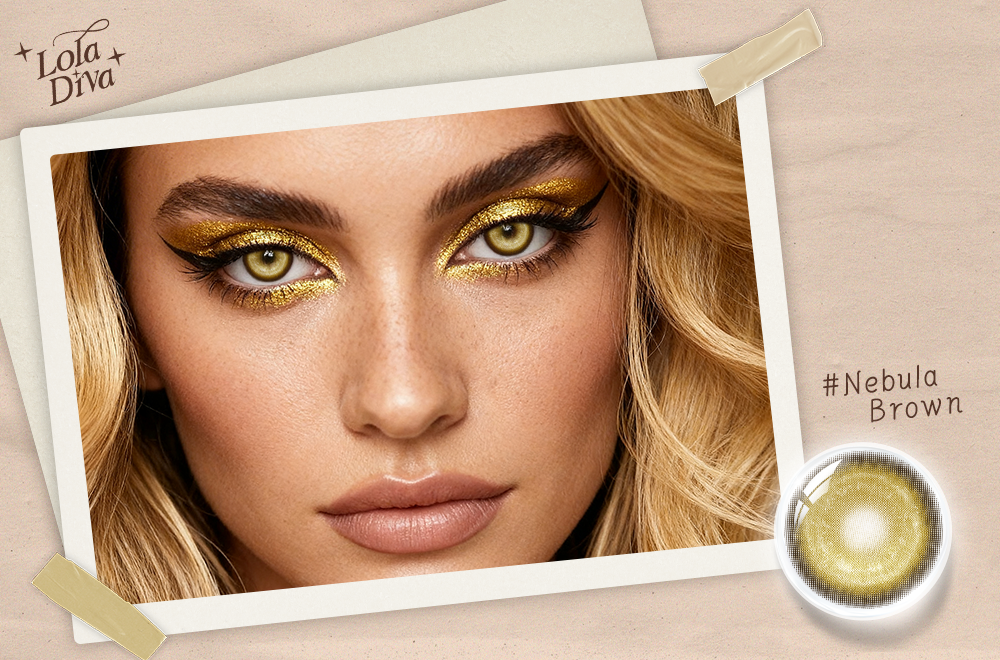
If you're searching for natural looking colored contacts that enhance rather than mask your natural depth, brown-toned lenses provide the most believable transformation.
--------------------------------------------------------------------------------
Blue Eyes: A 10,000-Year-Old Genetic AccidentHere's the shocker: there is no blue pigment in human eyes. Blue eyes are actually colorless. They appear blue due to the Tyndall effect—the same physics that makes the sky blue. Light hits collagen fibers in the iris, scattering blue wavelengths while absorbing reds and yellows. It's pure optical trickery.
All blue-eyed people share one ancestor. A mutation in the HERC2 gene occurred roughly 6,000 to 10,000 years ago near the Black Sea. Before this, every human had brown eyes. One genetic typo changed everything. Today, about 8-10% of the world has blue eyes.
Want that ethereal gaze?
Glacial Mist Blue 1-Year Contact Lenses mimic natural blue eye scattering with crystalline depth. For cosmic intensity, Nebula Blue 1-Year Contact Lenses channel deep space with supernatural saturation.
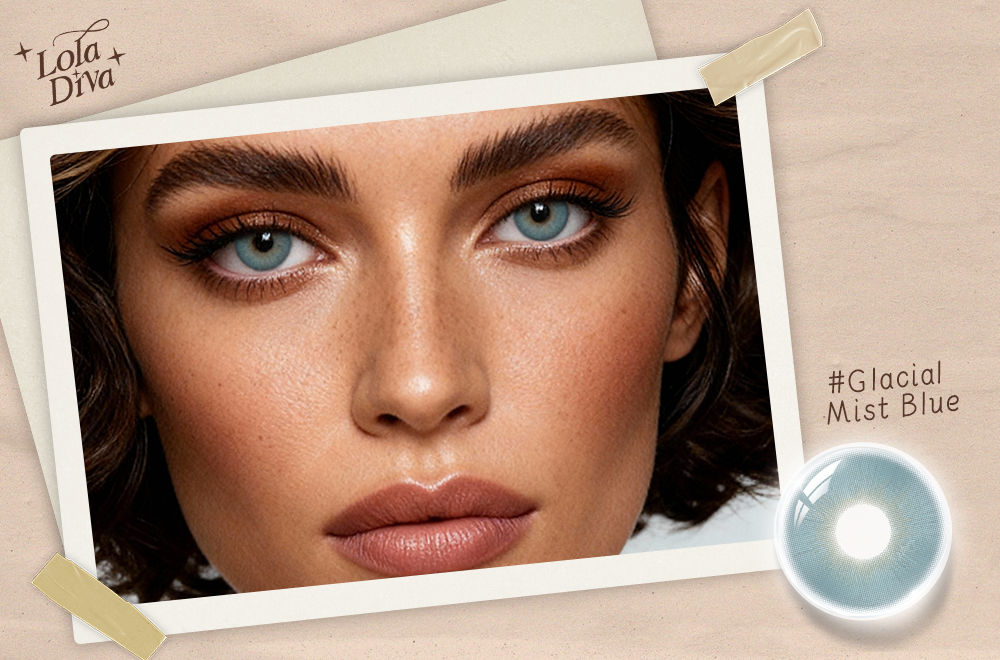
For those with dark irises seeking vivid transformation, blue contacts for brown eyes rank among the most popular choices—delivering that high-contrast, ice-crystal effect against warm undertones.
--------------------------------------------------------------------------------
Green Eyes: The Rarest Common ColorOnly 2% of the world has green eyes—the rarest "mainstream" color. They result from a delicate balance: moderate melanin plus lipochrome, a yellowish pigment. When Tyndall scattering produces blue light, it mixes with yellow to create green. The exact mechanism remains partially mysterious.
Green eyes appear most in Northern Europe, particularly Celtic regions. Their chameleon-like quality means they shift between blue and hazel depending on lighting, clothing, even mood.
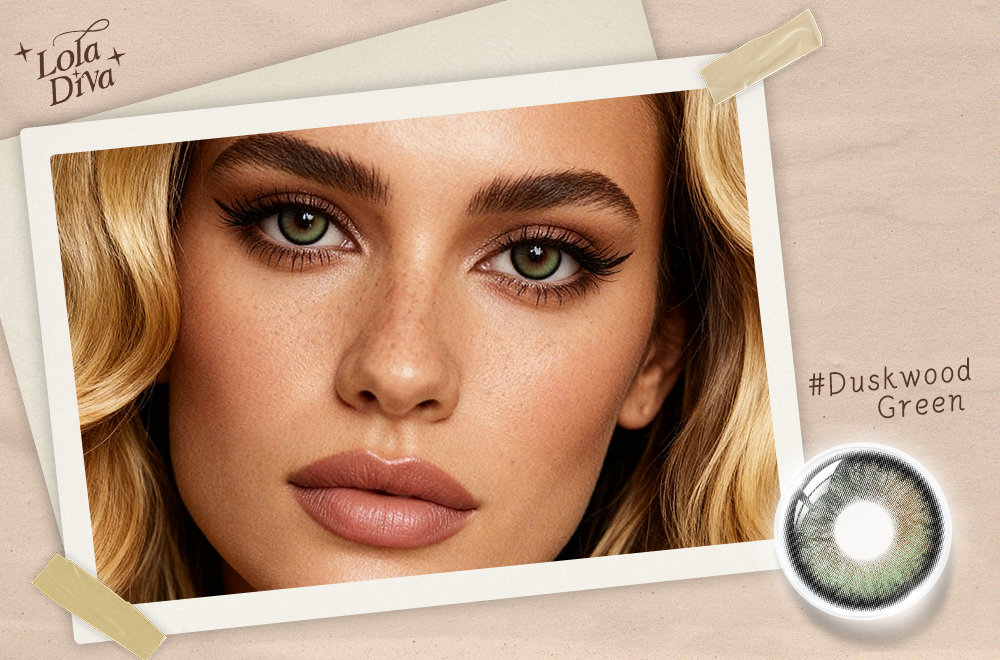
Crave that emerald gaze?
Duskwood Green 1-Year Contact Lenses capture deep forest-green essence with jade-to-moss shifting tones. For bolder energy, Punk Nova Green 1-Year Contact Lenses deliver electrifying neon green that radiates fierce individuality.
Green contacts for brown eyes create one of the most natural-looking transformations, blending seamlessly with warm undertones while adding that rare, mystical edge.
--------------------------------------------------------------------------------
Hazel Eyes: The Multicolored MysteryTrue hazel eyes aren't one color—they're multicolored. A classic hazel features a dark outer ring, green or amber middle zone, and brown inner ring near the pupil. This layered structure creates dynamic, shifting appearances that seem to change with every glance.
About 5% of the world has hazel eyes. The yellow and amber tones contain high lipochrome concentrations, making them spectacularly glow in sunlight.
For sunset-colored irises,
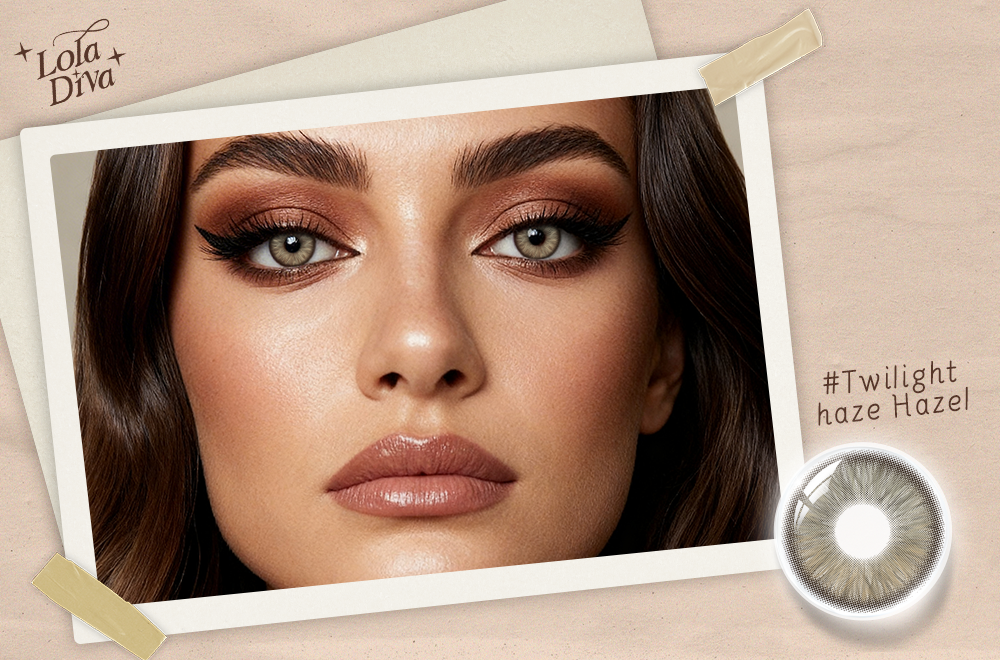
Twilight Haze Hazel 1-Year Contact Lenses blend amber, green, and soft brown. For an olive-infused twist, Misty Olive Hazel 1-Year Contact Lenses add earthy, mossy depth like morning mist over ancient forests.
--------------------------------------------------------------------------------
Gray Eyes: The Ghostly Cousin of BlueGray eyes have very little melanin but more collagen than blue eyes, distributed differently. Larger collagen particles create Mie scattering—a neutral effect appearing gray or silver. Less than 1% of the world has them, concentrated in Eastern Europe.
For Nordic elegance,
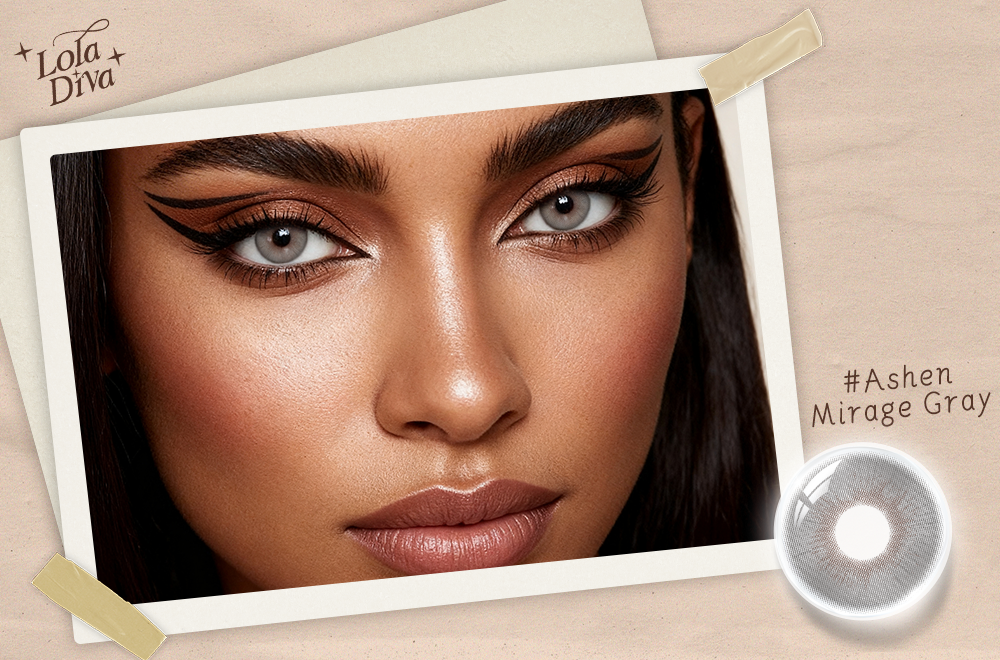
Ashen Mirage Gray 1-Year Contact Lenses offer sophisticated ashen tones with multidimensional metallic sheen. For ethereal softness, Mist Glow Gray 1-Year Contact Lenses provide luminous inner glow—perfect for that moonlit gaze.
Grey contacts for brown eyes deliver that coveted steel-cold sophistication, creating an instant high-fashion statement against deeper natural pigments.
--------------------------------------------------------------------------------
Amber Eyes: The Wolf Eye PhenomenonAmber eyes contain extremely high lipochrome with low melanin, creating solid golden-yellow to copper hues. Most common in animals—wolves, owls, certain dogs—but extraordinarily rare in humans. They carry an almost predatory, intense quality.
For golden wolf-like intensity,
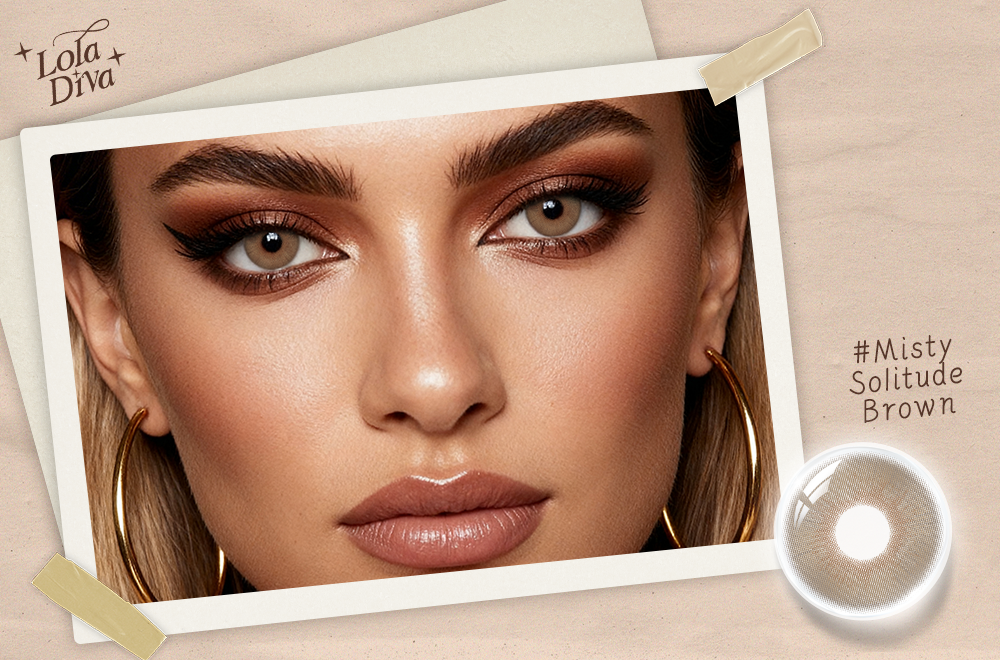
Misty Solitude Brown 1-Year Contact Lenses lean into honey and copper. For champagne-kissed radiance, Rosé Champagne Brown 1-Year Contact Lenses catch light like liquid gold.
--------------------------------------------------------------------------------
Purple Eyes: Myth and Reality"Alexandria's Genesis"—the supposed purple-eye mutation—is complete fiction, born from internet fanfiction. However, violet appearances do occur through albinism (visible blood vessels mixing with blue scattering), flash photography effects, or Elizabeth Taylor's legendary deep blue eyes that appeared violet in certain lights.
Purple symbolizes royalty and mystery across cultures.
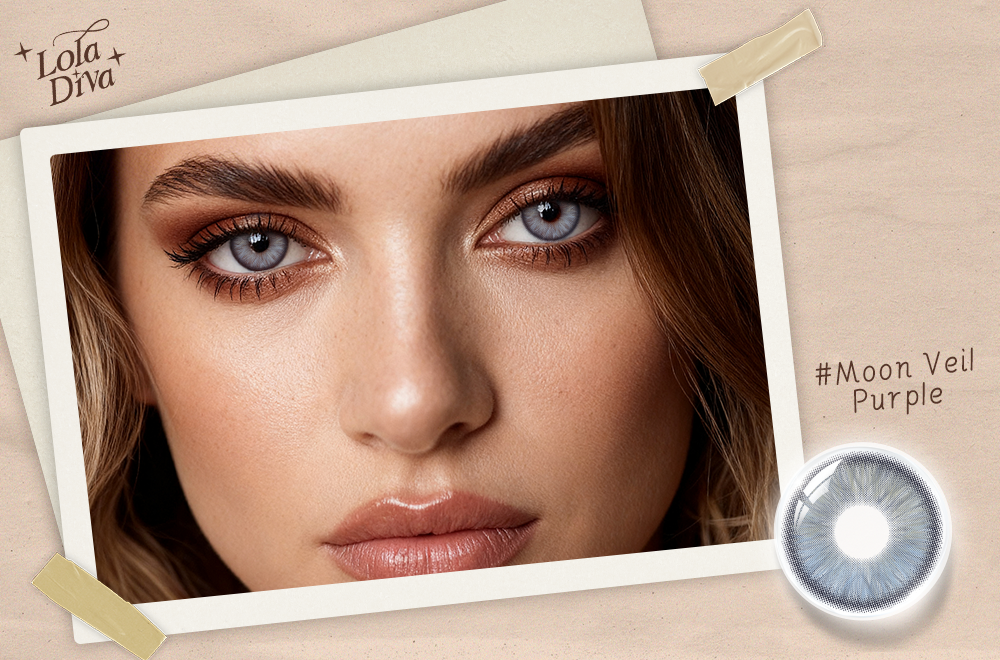
Moon Veil Purple 1-Year Contact Lenses offer luminous purple shifting between violet and indigo. For darker mystique, Midnight Orchid Purple 1-Year Contact Lenses evoke shadowy orchids under moonlight—dangerous and divine.
--------------------------------------------------------------------------------
Pink and Red Eyes: The Albinism ConnectionTrue red/pink eyes belong almost exclusively to albinism, where melanin absence reveals choroid blood vessels through the translucent iris. They appear more pinkish than the crimson of albino animals. Historically stigmatized, they're now celebrated in fashion.
For bold statements,
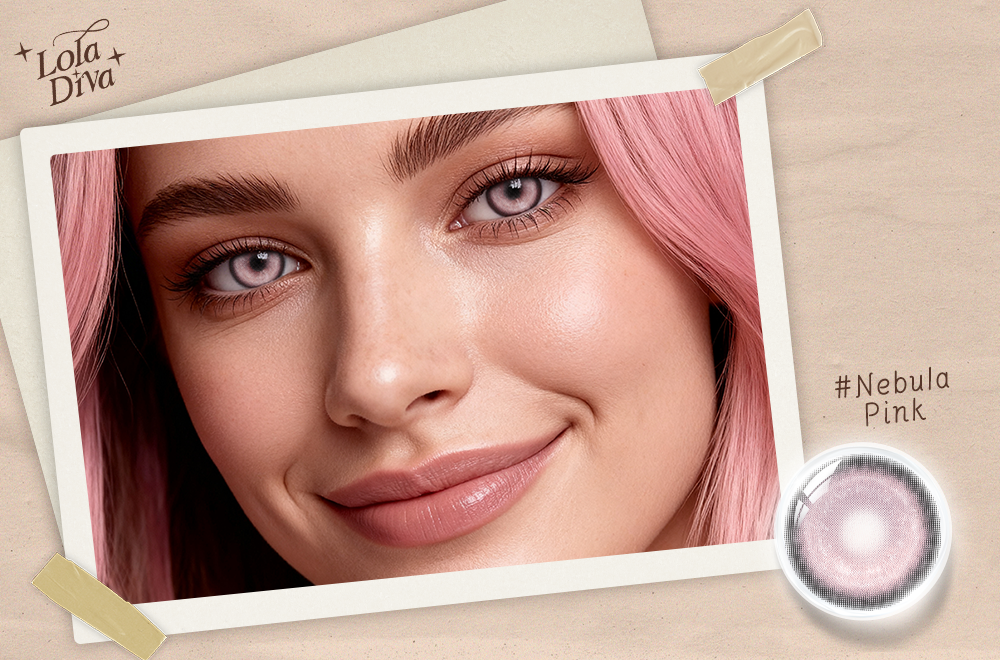
Nebula Pink 1-Year Contact Lenses deliver vibrant cosmic pink. For softer romance, Rosé Diamond Pink 1-Year Contact Lenses glimmer like rose-gold sunsets with crystalline highlights.
--------------------------------------------------------------------------------
The Psychology Behind Our ObsessionHumans are neurologically wired for eye contact. Our unusually visible sclera (eye whites) helped develop complex social structures through gaze-following. Pupil dilation signals attraction—why dim lighting feels romantic. Eye color influences first impressions: brown with warmth, blue with innocence, green with mystery.
--------------------------------------------------------------------------------
Your Eye Color JourneyYour eye color is DNA storytelling—ancient African sun or a single European mutation. But stories have sequels. Modern lenses let you explore chapters nature never wrote.
When shopping for colored contacts for dark eyes, always prioritize opaque colored contacts that fully block underlying pigment rather than translucent tints that disappear against deep brown irises. For the most dramatic before-and-after effect, best colored contacts for brown eyes combine high-opacity pigments with natural iris-pattern detailing.
Those with colored contacts for dark brown eyes know the struggle—many lenses simply don't show up. The key is solid-color technology designed specifically for maximum coverage.
For smoldering intensity,
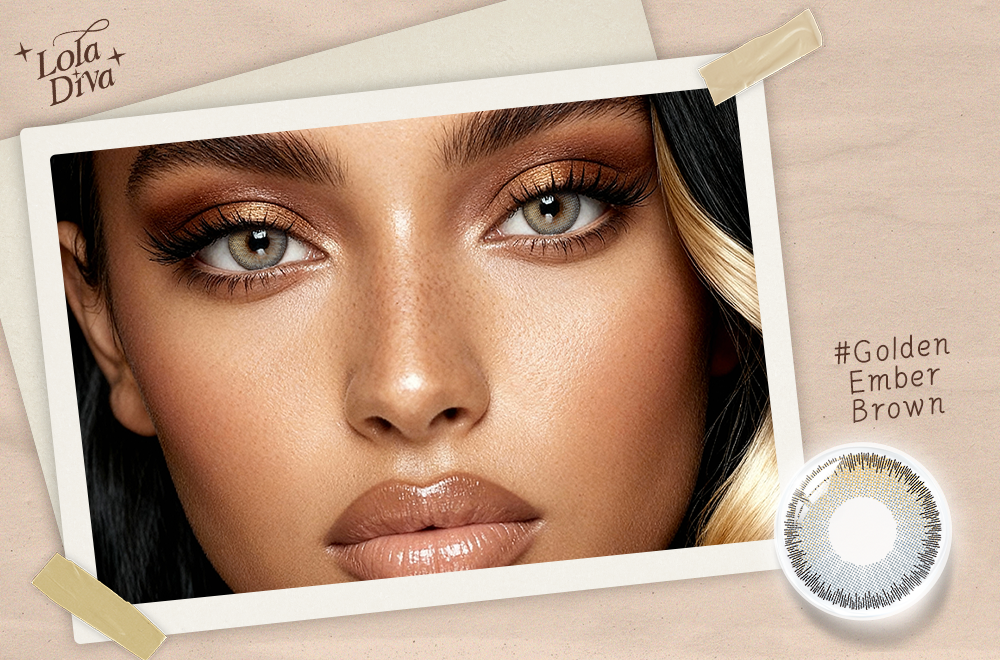
Golden Ember Brown 1-Year Contact Lenses capture burning coals and autumn bonfires. Eye color isn't just biology—it's expression, art, identity. Make it unforgettable.
--------------------------------------------------------------------------------


