For many contact lenses wearers, a “stinging” sensation is a common sign that is often overlooked. It might be a moment of fleeting discomfort, or it could be a distress signal from your eyes.
When stinging occurs, “toughing it out” is the most dangerous approach. As a responsible wearer, you need to master a scientific response protocol. This article will break down for you: what to do when stinging occurs, why it happens, and how to prevent it from happening again.
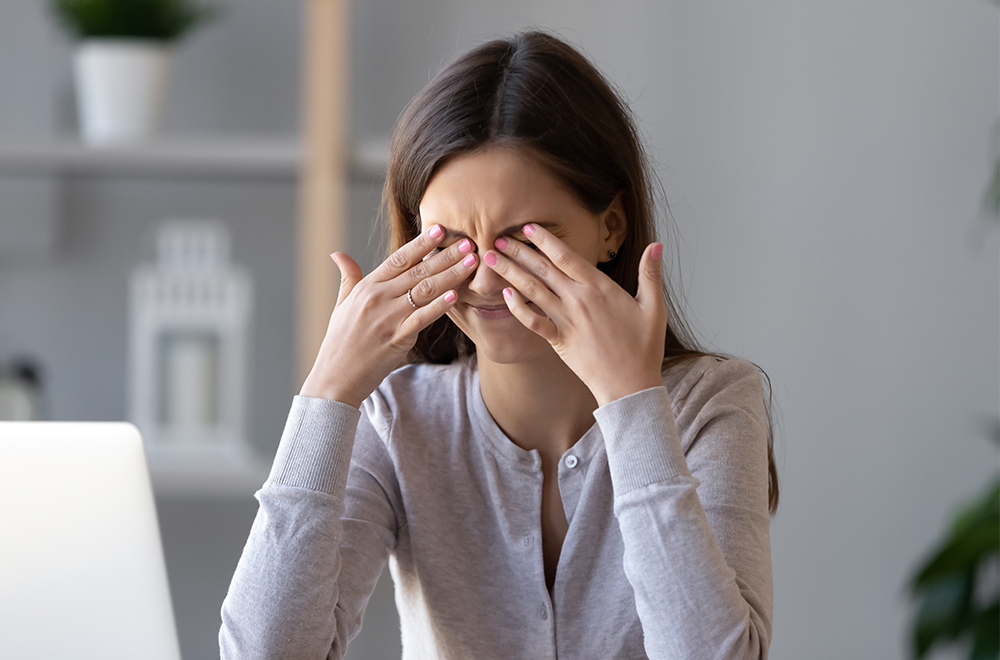 Step 1: Stop Wearing Immediately – Follow the “Remove – Inspect – Assess” Three-Step Method
When stinging occurs, removing the lenses immediately is the only correct choice. Do not attempt to use lubricating drops to “rinse it out” and continue wearing.
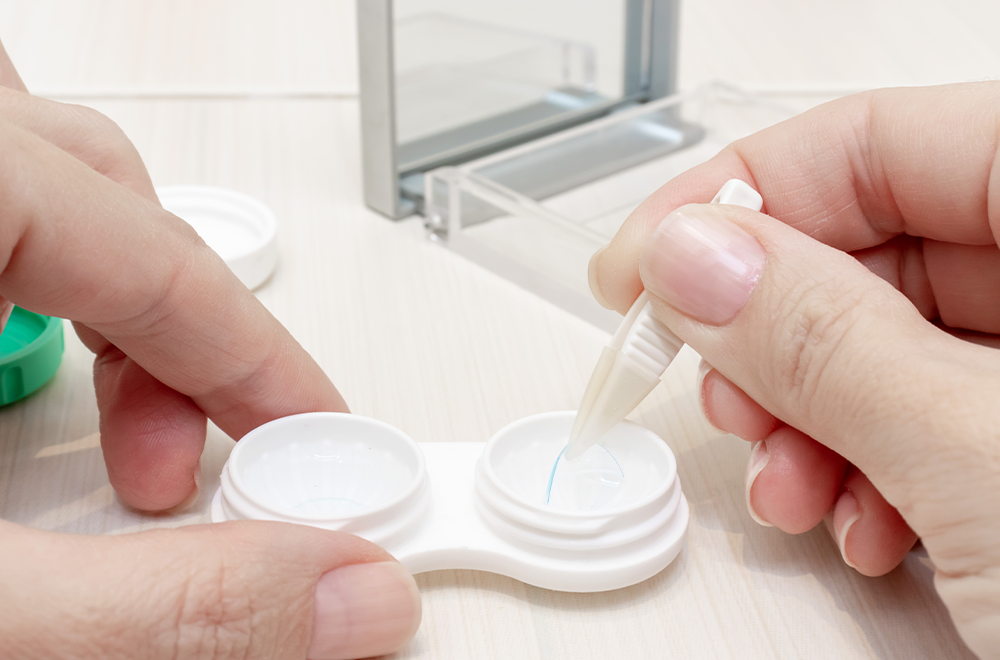
1.Wash Hands Thoroughly Use a mild, non-perfumed soap to thoroughly wash your hands, and dry them with a lint-free towel.
2.Remove Lenses First, remove the lens from the eye that feels the stinging sensation. If the other eye also feels uncomfortable, remove that lens as well.
3.Inspect the Lens Hold the removed lens up to a light to check for any damage, foreign particles, deposits, or to see if it is inside out.
4.Observe Your Eyes After removing the contact lenses, close your eyes and rest for 5–10 minutes. Observe whether the stinging sensation quickly subsides or disappears.
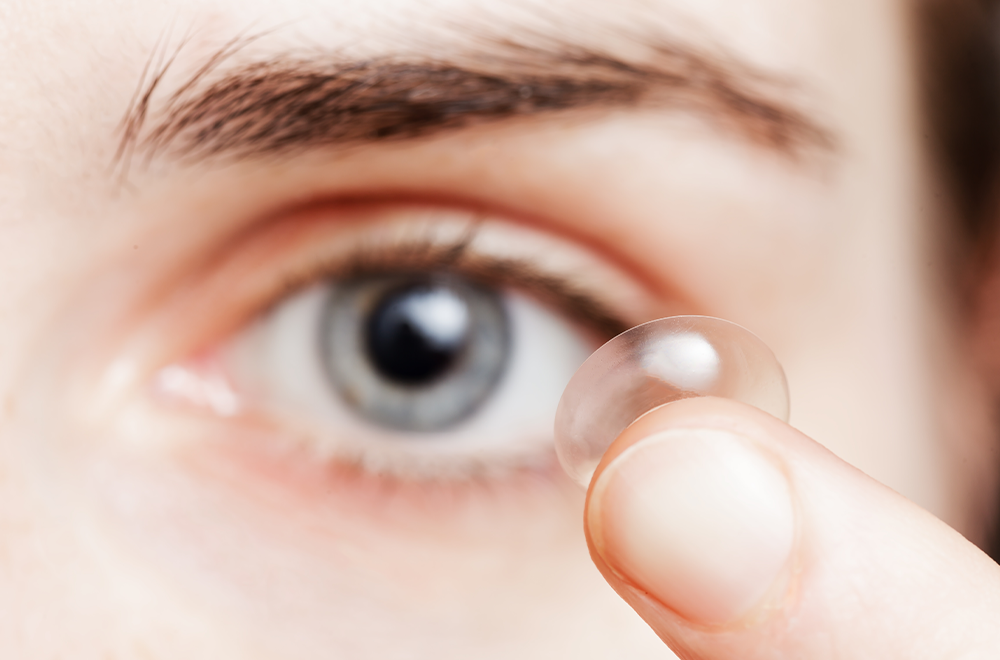 Step 2: Stinging Persists? – Determine if You Need Medical Attention
After removing the lenses, you need to respond differently based on your eyes’ reaction:
Scenario 1: Stinging Disappears Quickly After Lens RemovalThis usually indicates the issue lies with the lens itself or how it was worn. You can:
- Try inserting a
new lens (if using a daily disposable).
- If the stinging returns upon reinsertion,
immediately stop using that batch of lenses and contact your supplier.
- Give your eyes a rest for at least
24 hours without wearing any lenses during this time.
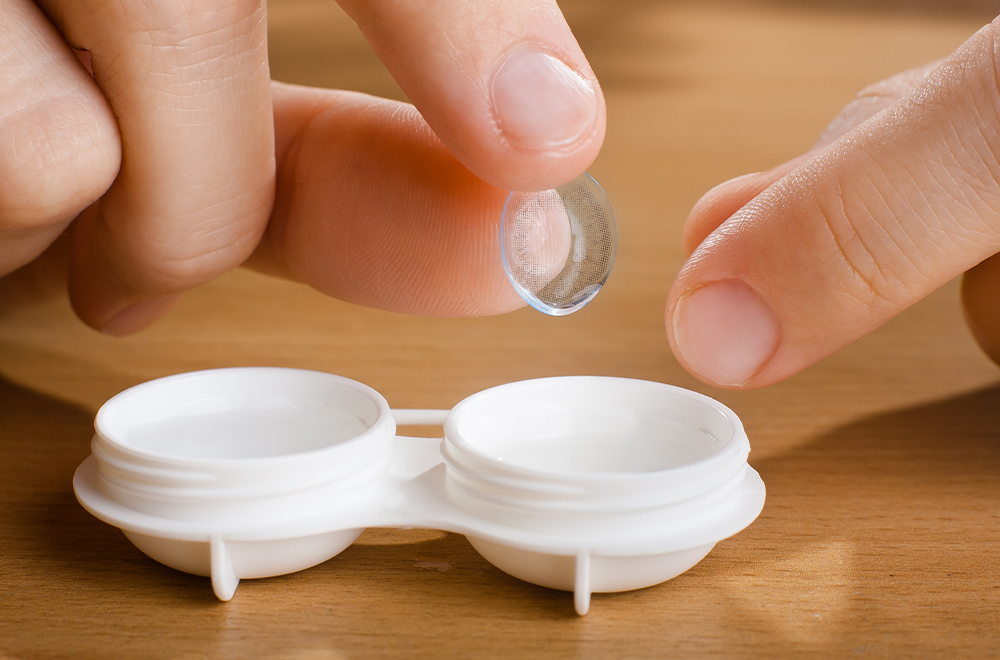 Scenario 2: Stinging Persists After Lens Removal, Accompanied by Redness, Swelling, Photophobia (Light Sensitivity), or Watering
This could be a sign of corneal or conjunctival damage.
Seek medical attention immediately. Do not purchase eye drops on your own, especially avoid “redness relief” drops containing preservatives. These can mask underlying issues and potentially worsen corneal damage.
Special Warning: If the stinging is accompanied by
blurred vision, significant discharge, or a strong feeling of a foreign body, go directly to the hospital’s ophthalmology emergency department. A corneal ulcer is an ophthalmic emergency; delayed treatment can affect vision.
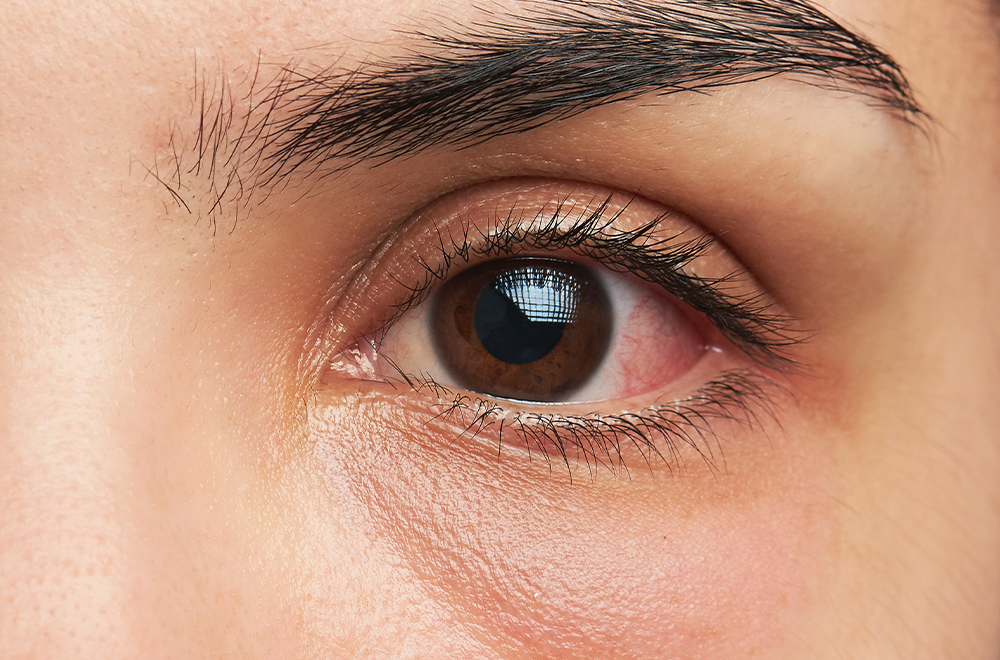 Step 3: Why Does Stinging Occur? – Analysis of Six Common Causes
Understanding the causes is fundamental to prevention. Contact lens stinging typically arises from the following categories:
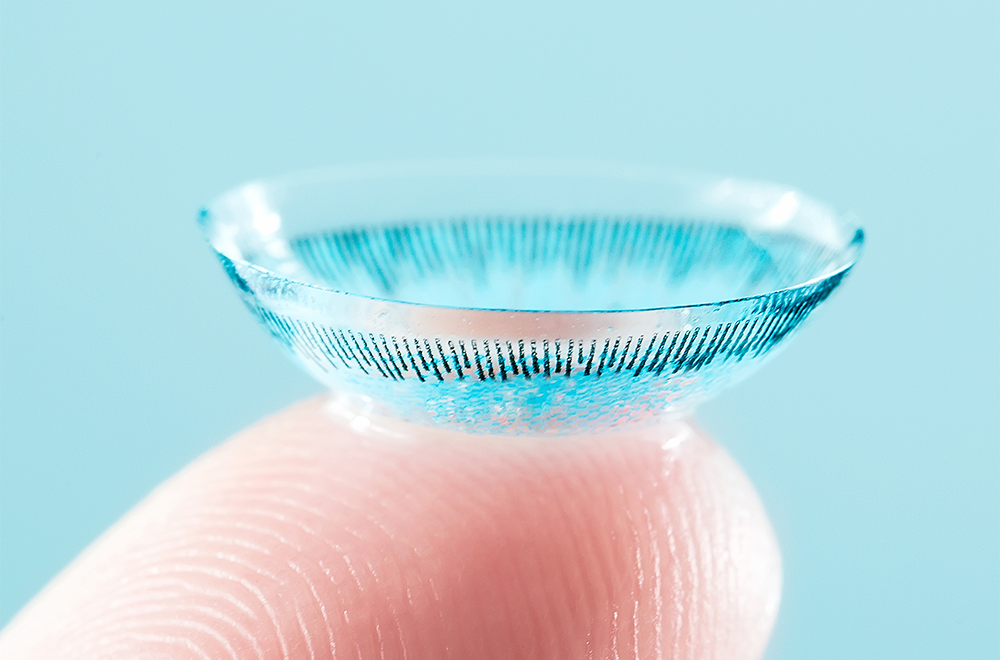
1. Physical Lens Damage- Damaged Lens
Even a tiny tear or nick can cause the lens edge to scrape against the cornea like a blade. Common causes include damage from long fingernails during removal or the lens becoming brittle after expiration.
- Lens Inside Out
When worn inside out, the edge of the lens doesn’t conform correctly, causing excessive friction against the inner eyelid, resulting in noticeable foreign body sensation and stinging.
 2. Lens Deposits and Improper Cleaning
- Protein Deposits
For longer-wear contacts (such as monthly or yearly disposables), improper care can lead to protein from tears accumulating on the lens surface, forming a rough “biofilm” that rubs against the cornea.
- Solution Irritation
Some individuals are sensitive to preservatives in contact lens solutions (such as thimerosal or polyquaternium). Inadequate rubbing and rinsing can also lead to a high concentration of solution entering the eye, causing irritation.
 3. Imbalance in the Ocular Environment
- Dry Eye Syndrome
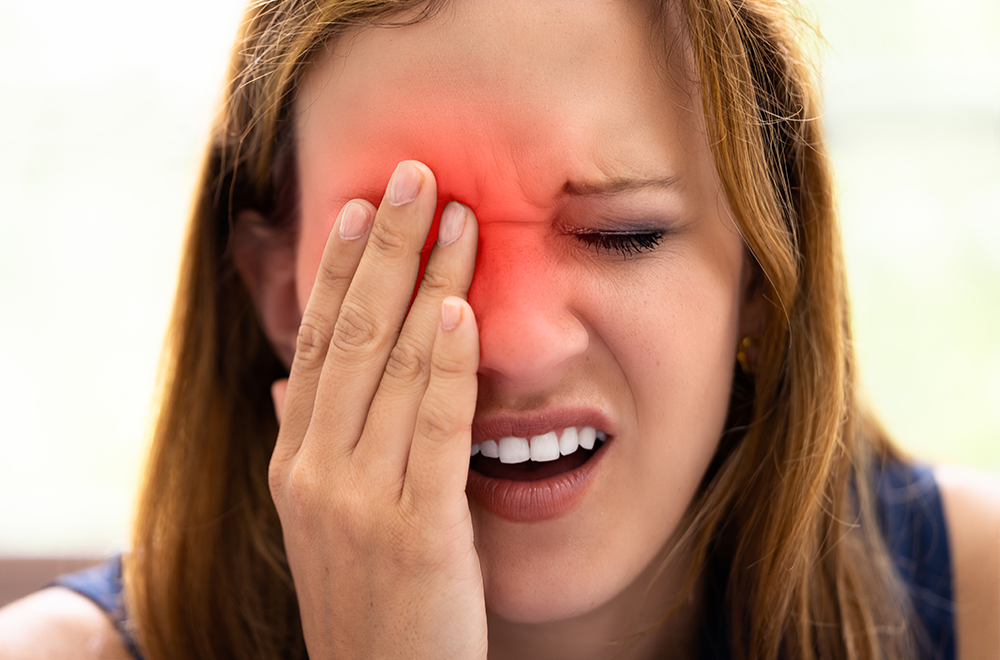
This is the most common and easily overlooked cause. When eyes are dry, the tear layer between the lens and the cornea is insufficient. The lens “sticks” to the eyeball, and each blink creates friction and pain.
- Allergic Reactions
During pollen season or in individuals with allergies, lenses can adsorb airborne allergens (like pollen or dust mites), triggering an allergic inflammatory response on the ocular surface, characterized by stinging and intense itching.
 4. Corneal Hypoxia and Metabolic Issues
- Extended Wear
Wearing lenses beyond the recommended duration (e.g., wearing daily disposables for over 12 hours) or sleeping in lenses can lead to corneal hypoxia. The corneal epithelium may become edematous or develop punctate erosions due to oxygen deprivation, resulting in stinging.
 5. Product Quality Issues
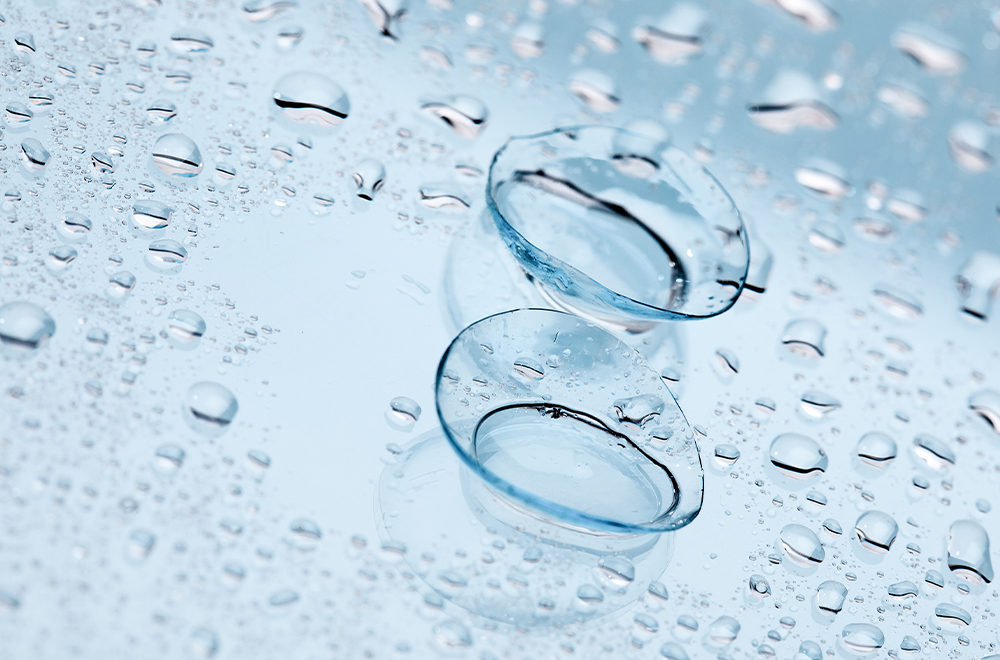
- In rare cases, issues may arise from the manufacturing process, such as incomplete sterilization, packaging leakage, or batch-specific material defects. This is why it’s recommended to order contacts online from reputable channels and known brands.
For example: loladiva, a professional contact lens store with ISO, CE, and FDA certifications.(
https://loladiva.store/)
 6. Improper Handling Techniques
- Residue on Hands
Not thoroughly rinsing soap off after washing hands, or handling cosmetic contact lenses after using scented or oily hand creams, can transfer chemical residues onto the lens, causing a chemical irritation upon insertion.
 Step 4: How to Prevent Stinging? – Establishing Scientific Wearing Habits
Prevention is always better than cure. Establishing the following habits can prevent over 90% of discomfort:
|
Preventive Measure
|
Specific Recommendations
|
|
Strictly Adhere to Replacement Schedules
|
Daily disposables: discard after a single use. Monthly disposables: discard after 30 days, regardless of appearance. Do not “stretch” their use beyond the recommended period.
|
|
Choose High-Quality Care Solutions
|
Prioritize
multi-purpose solutions
or
hydrogen peroxide systems
(e.g., AO Sept). Hydrogen peroxide systems are often gentler for sensitive eyes and offer superior disinfection.
|
|
Replace Lens Case Regularly
|
Lens cases should be replaced
monthly
. Rinse with boiling water weekly. Lens cases are a common breeding ground for bacteria.
|
|
Control Wearing Time
|
Do not wear lenses for more than
8–10 hours per day
. Aim for at least
1–2 “lens-free days” per week
to allow your corneas to rest and breathe fully.
|
|
Keep Lubricating Drops Handy
|
Choose
preservative-free, single-use artificial tears
(e.g., those containing sodium hyaluronate) to use when eyes feel dry.
Avoid
using “redness relief” or “cooling sensation” eye drops.
|
|
Maintain Hand Hygiene
|
Before handling lenses, wash hands with
unscented, non-lotion soap
and dry with a
lint-free towel or paper towel.
|
 Conclusion: Respect What Your Eyes Are Telling You
Contact lenses are classified as
Class III medical devices, not ordinary cosmetics or daily commodities. Every instance of stinging is your eye’s way of trying to communicate with you.
If you frequently experience stinging after wearing lenses for a few hours, which subsides upon removal, be alert to the possibility of
dry eye syndrome or lens deposits.
If you experience stinging immediately upon insertion, which resolves quickly after removal, check for
an inside-out lens, lens damage, or residual lens care solution.If stinging is accompanied by
redness, pain, or decreased vision, do not hesitate—
seek the help of an eye care professional immediately.As a supplier serving the European and American markets, we understand that a quality lens must not only be optically precise but also ensure wearing comfort and safety. We hope this guide helps you and your customers enjoy the convenience of contact lenses more safely and comfortably.
(This article is intended for educational and informational purposes only and does not constitute medical advice. If you experience persistent eye discomfort, please consult a qualified ophthalmologist.)


