Enhancement tint contact lenses—often called color enhancing contacts—are a popular choice for anyone looking to subtly elevate their natural eye color. Rather than masking your iris, these lenses add depth and intensity to the shade you were born with, which is why they're widely considered the most natural colored contact lenses on the market. They're especially effective for light-colored eyes, delivering a defined yet believable look.
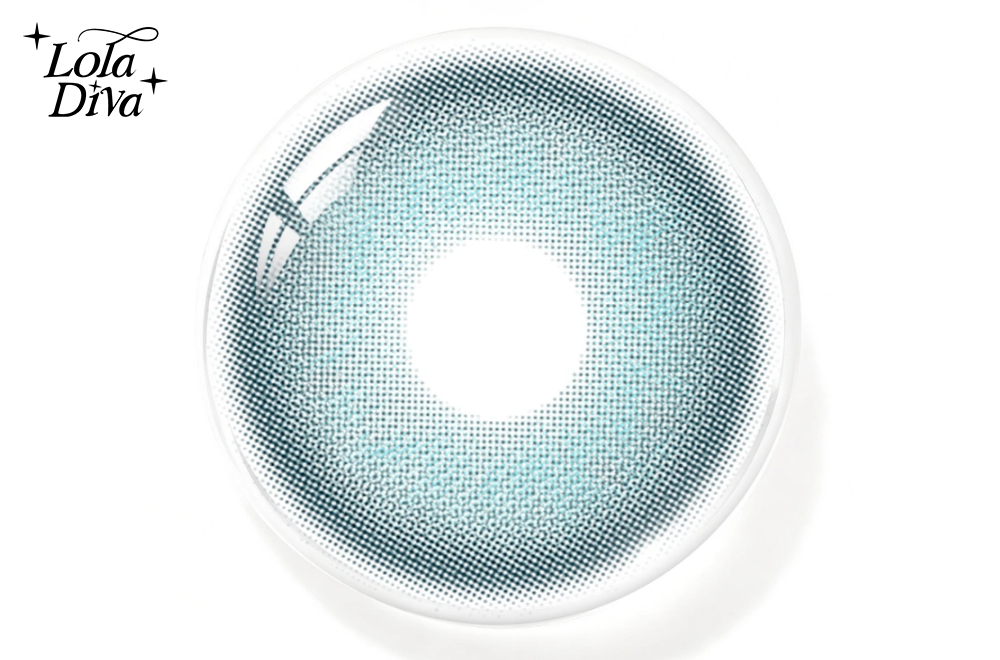
Unlike opaque lenses, which can drastically alter eye color, enhancement tint contacts offer a softer transformation. Available in a range of hues, they complement different eye colors and personal styles without ever looking costume-like.
Whether you wear them daily or save them for special occasions, these lenses are crafted from soft, breathable materials for all-day comfort. With both prescription and plano contact lenses (zero-power options for wearers who don't need vision correction) available, they suit a wide range of needs.
Before choosing any pair, consult an eye care professional. Proper fitting and care are essential for safety and longevity.

What Are Enhancement Tint Contact Lenses?
Enhancement tint contact lenses are designed to intensify your natural eye color rather than replace it. The translucent tint blends with your iris, adding brightness and definition while letting your real shade show through—exactly what makes them the most natural looking colored contact lenses for everyday wear.
Made primarily for people with lighter eyes, color enhancing contacts bring out the natural tones already present in your iris, making your eye color appear more vivid and refined.
Key Features of Enhancement Tint Contacts
- Natural Look: Enhances existing eye color instead of covering it
- Variety of Shades: Hues matched to blue, green, hazel, and grey eyes
- Comfort: Soft, breathable materials that rank among the most comfortable contact lenses for daily wear
- Versatile Use: Suitable as daily wear contact lenses or for occasional styling
How Enhancement Tint Contacts Work
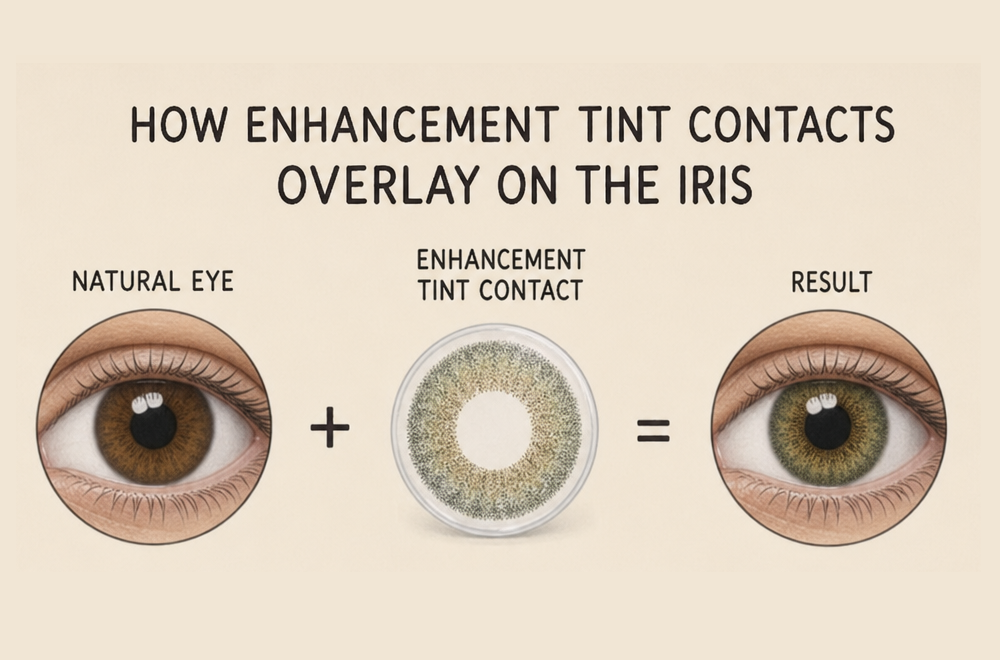
Many first-time buyers ask: how do colored contact lenses work when they don't fully change your eye color? The answer lies in the translucent tint. Instead of a solid layer of pigment, enhancement lenses carry a sheer wash of color that sits on the iris and merges with your natural shade.
The result is amplification, not replacement: your eyes keep their unique pattern, but with added depth and vibrancy. Choosing the right shade depends on your natural eye color and the effect you want—an optometrist can help you find the safest, most flattering match.
Enhancement Tint Contacts for Light Eyes
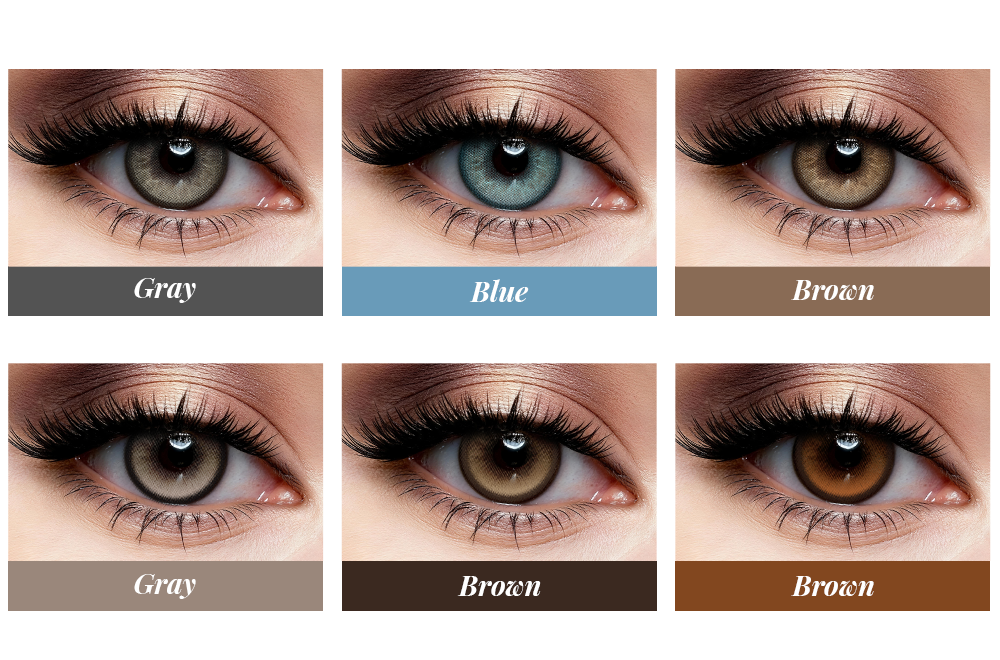
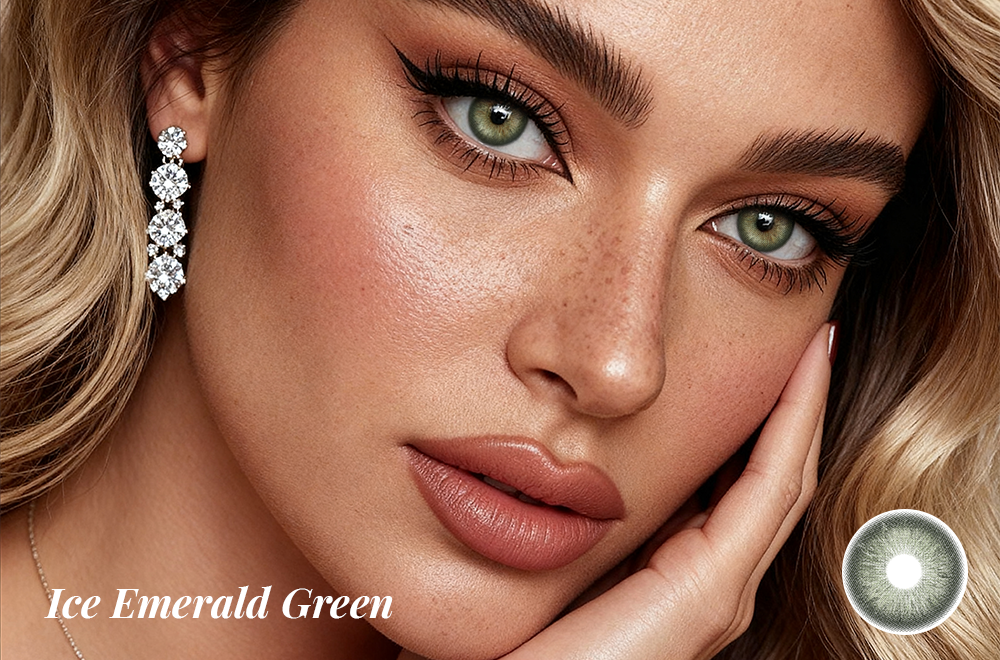
Enhancement tint contacts perform best on light eyes. They can intensify light blue, green, or hazel irises, adding richness without overwhelming the natural shade. For light-eyed wearers, these truly are the most natural colored contact lenses available—the change is visible, yet nobody will guess you're wearing lenses.
Matching the tint to your base shade is where the magic happens. Light blue eyes gain striking depth from a
sheer ocean-blue enhancement tint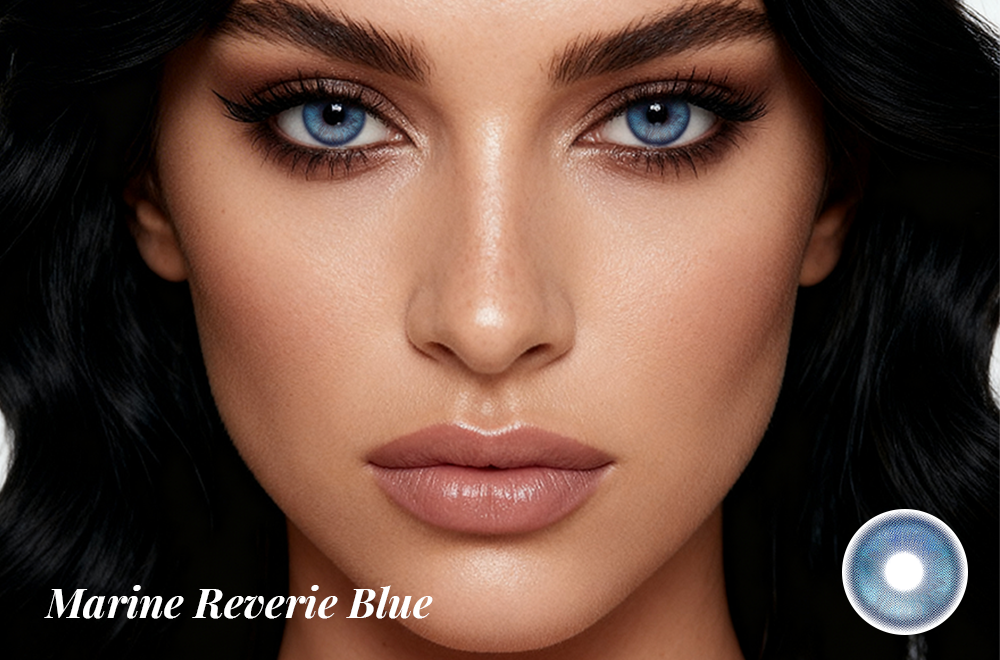
while green and hazel eyes come alive with an
emerald-toned enhancing lens that deepens their natural warmth.
If you're new to colored lenses and want to experiment before committing, a
fresh green daily disposable is a low-pressure way to test the look.
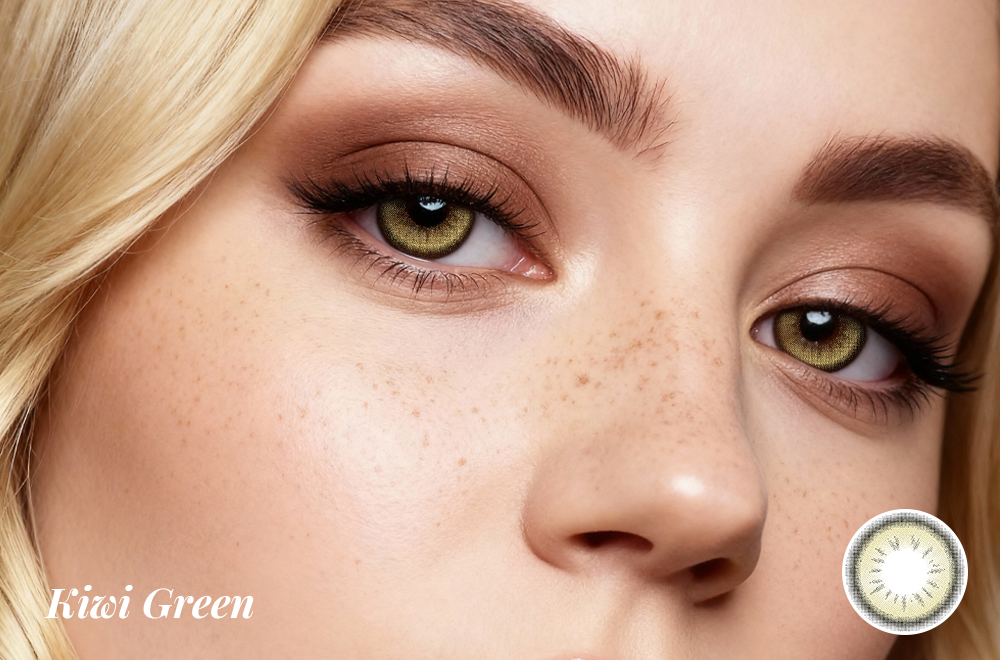
A quick note for dark-eyed readers: enhancement tints are too sheer to show up on dark brown irises. If you want a noticeable change—say, blue contact lenses for brown eyes—you'll need opaque lenses instead, which we cover below.
Enhancement Tint vs. Opaque Lenses: Key Differences
Understanding the difference between these two lens types is essential before you buy. Enhancement tint contacts subtly enrich your natural color, while opaque contact lenses replace it entirely.
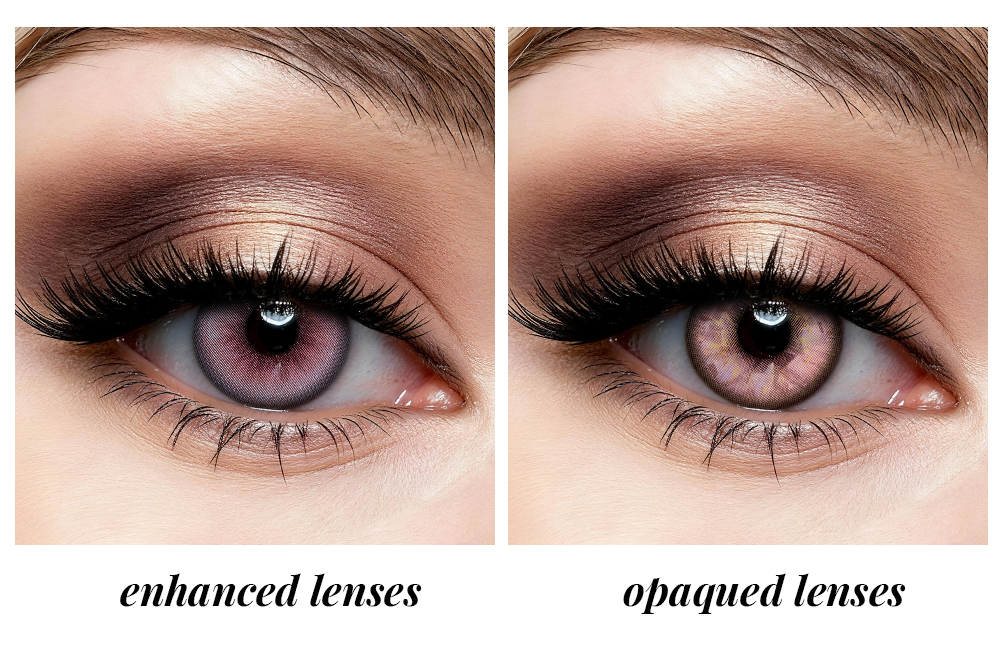
Enhancement tint lenses use a soft, translucent tint that blends with the iris—ideal for accentuating light eyes with subtle, natural results.
Opaque colored contact lenses use solid pigment to cover the iris completely, enabling dramatic transformations on any eye color. They're the go-to choice for dark-eyed wearers, cosplay, or bold fashion looks.
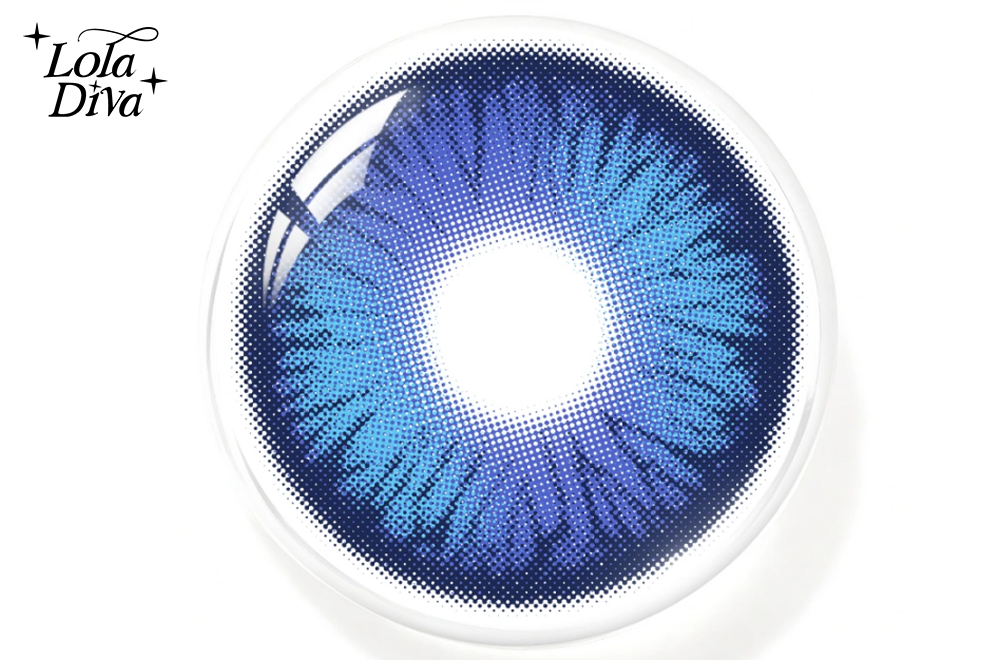
Choosing the Right Type
- Subtle change → enhancement tint
- Total transformation → opaque
- Unsure → ask your eye care professional
Types of Tinted Contact Lenses: Enhancement, Visibility, and More
Beyond enhancement tints, there are several different color contact lenses worth knowing:
- Enhancement Tint: Sheer color that deepens your natural shade
- Visibility Tint: A faint blue or green cast that doesn't change eye color—it simply makes lenses easier to handle and find in their case
- Specialty Tint: Custom lenses that enhance contrast or filter light for sports and occupational use
Benefits of Enhancement Tint Contact Lenses
The biggest advantage of color enhancing contacts is how effortlessly they elevate your look. They add depth and warmth to light eyes without overpowering your features, complementing your skin tone, makeup, and outfit.
They're also remarkably versatile: available in prescription strengths and as plano versions, they serve both vision correction and pure aesthetics. Many styles even include UV-blocking features, and quality UV contact lenses add an extra layer of defense during outdoor wear (though they're no substitute for sunglasses).
Comfort is another win—modern enhancement lenses are among the most comfortable colored contact lenses you can buy, and they're a fun, commitment-free way to experiment with your look.

Who Should Consider Enhancement Tint Contacts?
These lenses are ideal if you:
- Have light-colored eyes and want more definition
- Prefer a subtle, believable enhancement over a dramatic change
- Need vision correction and a cosmetic touch
They're also perfect for special occasions when you want something a little unexpected—a
soft violet enhancing tint, for example, adds a romantic twist to light eyes without crossing into costume territory.
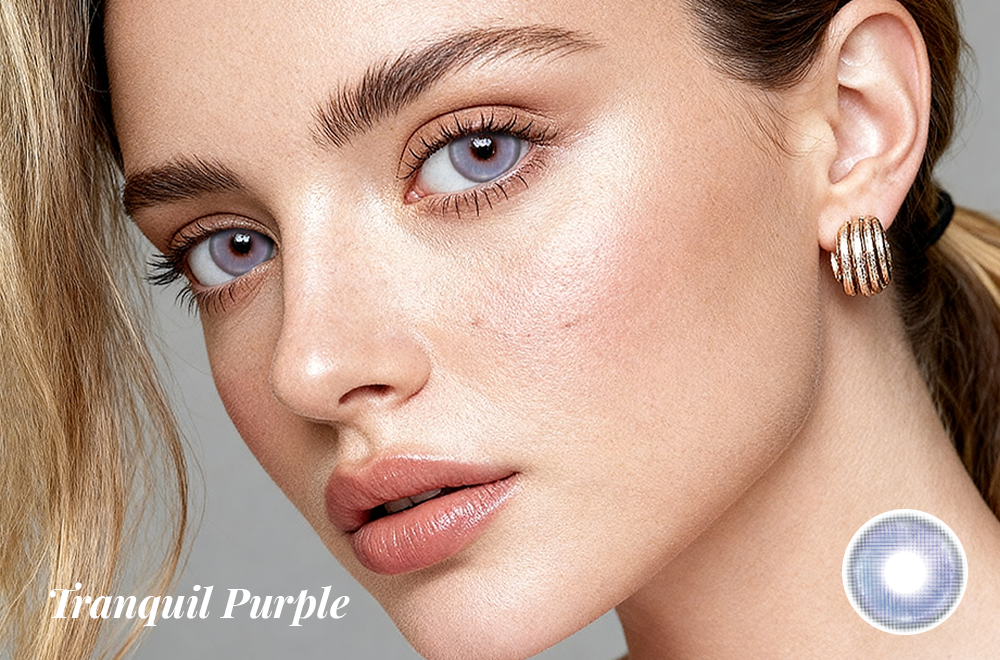
Wondering can you get prescription colored contact lenses? Absolutely—enhancement tints come in a wide prescription range, and plano options exist for those with perfect vision. Either way, a valid contact lens prescription from an eye care professional is required in the U.S., even for zero-power lenses.
How to Choose the Right Enhancement Tint Contacts
Start with your natural eye color: warm golden-brown tints flatter hazel and light brown eyes, while cool aqua tones brighten blue ones. For an everyday natural look, a
warm sunstone brown enhancer adds gentle depth, and a
soft misty brown tint delivers that barely-there refinement ideal for work and daily wear.
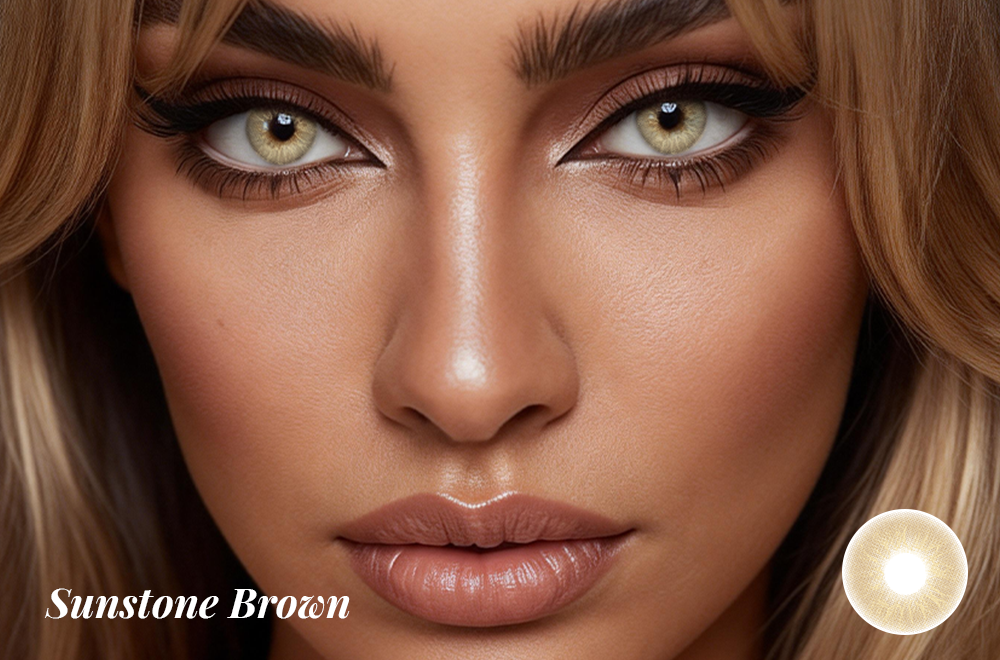
Next, decide whether you want contact lenses to change eye color noticeably or simply enhance what's there—that answer determines whether you need an enhancement tint or an opaque lens.
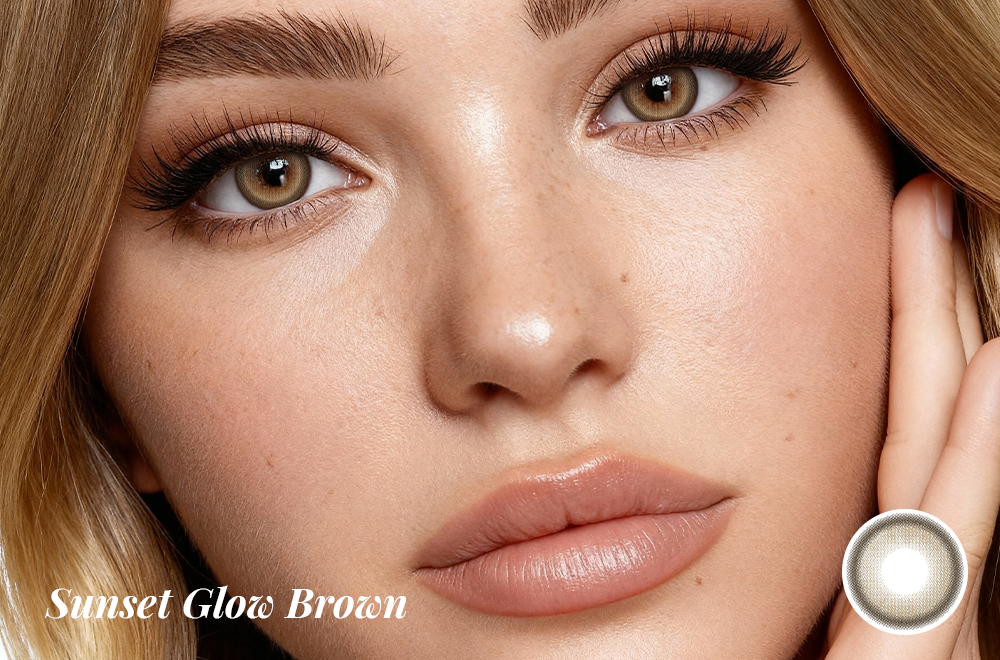
Finally, match the lens to your lifestyle. Occasional wearers and hygiene-conscious users often prefer daily disposables like a
sunset-toned brown daily lens or a
natural solar-brown one-day option—no cleaning routine, just a fresh pair every time. A professional fitting ensures both comfort and safety.
Safety, Care, and Maintenance Tips
Even the most comfortable contact lenses require proper hygiene. Always wash and dry your hands before handling lenses, clean them with fresh solution (never water or saliva), and replace your lens case every three months.

Buying from a reputable retailer is the foundation of wearing safe colored contact lenses—avoid unregulated costume shops and marketplaces that skip prescription verification. Never sleep in lenses unless they're approved for extended wear, and remove them immediately if you feel discomfort or irritation.
Frequently Asked Questions About Enhancement Tint Contacts
How do colored contact lenses work if they only enhance your eyes?
Enhancement tints use translucent pigment that blends with your iris instead of covering it. Your natural pattern stays visible—the tint simply adds saturation and depth.
Can you get prescription colored contact lenses?
Yes. Enhancement tint lenses are available across a broad prescription range, and plano (zero-power) versions exist for cosmetic-only wearers. In the U.S., both require a valid prescription.
Are plano colored contact lenses safe?
Yes—plano colored contact lenses are safe when they're properly fitted, purchased from a legitimate retailer, and cared for correctly. Zero power doesn't mean zero risk: ill-fitting lenses of any kind can damage your eyes.
Do enhancement tints work on dark eyes?
Not visibly. The sheer tint can't show through a dark iris, so dark-eyed wearers should choose opaque lenses for a real color change.
Conclusion: Enhancing Your Look with Confidence
Enhancement tint contact lenses remain the most natural looking colored contact lenses for anyone who wants a refined, believable upgrade. Whether you're after everyday subtlety or a polished look for special occasions, color enhancing contacts let you express your style without hiding what makes your eyes unique. Choose the right shade, follow proper care, and enjoy a brighter version of your natural gaze.


